Ancient Roots of Celtic Mythology
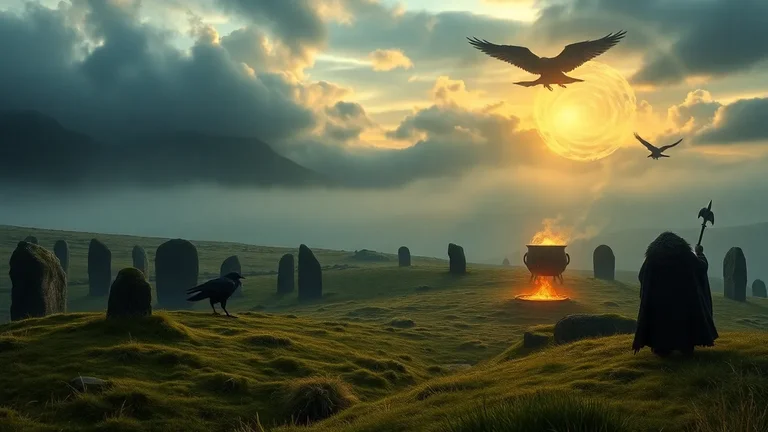
Celtic mythology draws from oral traditions spanning Ireland, Wales, Scotland, and Brittany, preserved through medieval manuscripts like the Lebor Gabála Érenn and the Mabinogion. These stories emerged around 500 BCE, blending Indo-European roots with local folklore. Druids served as custodians, reciting tales during rituals at sites like Newgrange, where solstice alignments hint at cosmic narratives. Myths often feature cycles of creation, destruction, and rebirth, mirroring seasonal changes in the Celtic world. Tuatha Dé Danann, god-like beings, arrived from the north, wielding magic against the Fir Bolg. Their battles shaped landscapes, with rivers born from spilled blood and hills from fallen bodies. This layered cosmology influenced later sagas, providing a framework for epic dramas. Archaeological finds, such as the Gundestrup Cauldron, depict horned gods and warriors, confirming visual motifs in tales. Scribes in monasteries adapted these pagan stories into Christian contexts, softening edges while retaining core elements like shape-shifting and otherworld journeys. Modern revivals tap this depth, using authentic motifs to craft immersive worlds.
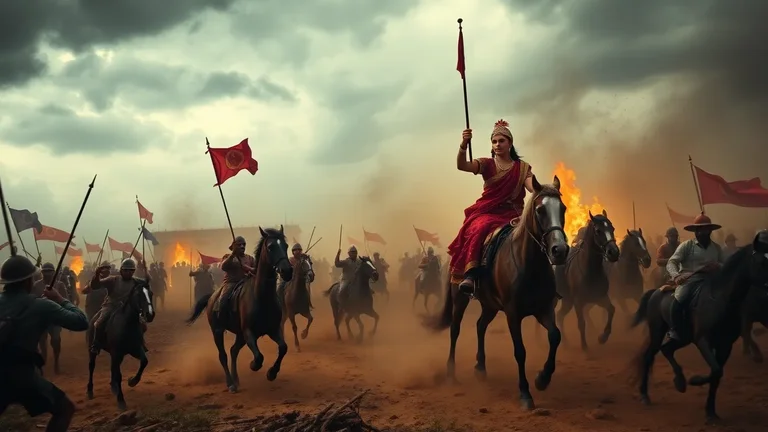
Irish Ulster Cycle centers on heroes like Cú Chulainn, whose ríastrad battle frenzy turns him into a monstrous force. Trained by warriors at Scáthach's island, he defends Ulster single-handedly against Queen Medb's invasion in the Táin Bó Cúailnge. Welsh tales from the Mabinogion feature Bran the Blessed, whose severed head protects Britain post-mortem. These narratives emphasize loyalty, fate, and the thin veil between realms. Gods like Dagda own cauldrons of plenty, symbolizing abundance, while Morrígan foretells doom as a crow. Such figures recur in drama sagas, symbolizing eternal struggles. Preservation efforts by 19th-century scholars like Lady Gregory revived interest, leading to Yeats' plays. Today, sagas expand these roots into multi-season arcs, exploring psychological depths absent in fragments.
Regional variations enrich the tapestry: Scottish myths involve selkies and blue men of the Minch, while Manx tales feature Moddey Dhoo hounds. Brittany's Arthurian links via Chrétien de Troyes integrate Celtic elements into continental lore. This diversity allows sagas to draw from multiple sources, creating hybrid narratives. Linguistic ties, with Gaelic and Brythonic languages sharing motifs, underscore unity. Revived dramas honor this by incorporating reconstructed languages and rituals, grounding fantasy in history.
Key Figures and Motifs in Celtic Lore
Cú Chulainn embodies the tragic hero, bound by geasa oaths that lead to his doom. His spear, Gáe Bulg, returns from the sea, highlighting sea-god connections. Queen Medb, fierce and sexually liberated, drives cattle raids symbolizing sovereignty disputes. In Welsh lore, Rhiannon rides a white horse, accused falsely of infanticide, her story probing justice themes. Lugh, multi-skilled god, leads Tuatha against Fomorians at Second Battle of Mag Tuired, his spear invincible. These characters provide archetypes for saga protagonists: flawed, powerful, fated.
Otherworld realms like Tír na nÓg promise eternal youth, accessed via fairy mounds. Heroes enter, age rapidly upon return, as with Oisín and Niamh. Shape-shifters like Púca trick mortals, blending mischief and menace. Cauldrons revive warriors, motifs echoing in Holy Grail quests. Animals act as messengers: salmon of knowledge grants wisdom to Fionn mac Cumhaill by thumb-sucking. Such elements fuel dramatic tension in sagas, with portals, prophecies, and curses driving plots.
Here is a table summarizing key Celtic figures and their modern saga parallels:
| Figure | Original Trait | Modern Saga Example |
|---|---|---|
| Cú Chulainn | Battle frenzy, geasa | Warrior in epic fantasy series like 'Merlin' |
| Morrígan | War goddess, crow form | Prophetess in 'Camelot' adaptations |
| Dagda | Cauldron of plenty | Magical provider in 'The Shannara Chronicles' |
| Fionn mac Cumhaill | Salmon wisdom | Seer leader in Scottish revival shows |
| Rhiannon | Magical horse, trials | Enchanted queen in Welsh dramas |
This table highlights how ancient traits persist, adapted for screen dynamics.
Transition from Folklore to Dramatic Sagas
19th-century Romanticism sparked revival, with W.B. Yeats and the Irish Literary Revival dramatizing myths in plays like 'On Baile's Strand'. This paved the way for 20th-century novels by James Stephens. Film pioneers like John Boorman's 'Excalibur' (1981) visualized Arthurian Celtic roots with lush visuals and operatic battles. HBO's 'Rome' touched peripherally, but true sagas emerged post-2000 with fantasy booms.
Streaming platforms accelerated this: Netflix's 'Cursed' (2020) reimagines Arthurian legend from Nimue's view, incorporating druidic magic and fey creatures. 'The Witcher' draws indirect Celtic influences via monster lore. 'Shadow and Bone' echoes otherworld quests. Dedicated Celtic sagas like 'Britannia' (2018) blend Roman invasion with druids and gods, starring Kelly Reilly as fierce priestess. These series span seasons, allowing myth cycles to unfold gradually.
Authors like Marion Zimmer Bradley's 'The Mists of Avalon' influenced TV, shifting focus to female perspectives. Video games like 'Assassin's Creed Valhalla' integrate Celtic DLC, blurring media lines. Sagas revive myths by serializing epics, building viewer investment through cliffhangers tied to prophecies.
Television Sagas Reviving Celtic Myths
'Merlin' (2008-2012) on BBC recasts Camelot with young warlock, weaving Ulster and Mabinogion threads. Morgana's descent into villainy mirrors Morrígan, Arthur's kingship quest echoes Bran. Five seasons explore destiny vs. free will, with sidhe fairies from mounds. Visuals recreate misty highlands, authentic costuming from bog finds.
'Vikings' (2013-2020) incorporates Celtic elements via Irish raids, with Floki's druid encounters and seer prophecies. Though Norse-focused, it portrays Celtic otherworld accurately. 'The Last Kingdom' contrasts Saxon-Christian vs. pagan Celtic holdouts. 'Outlander' (2014-) embeds Scottish folklore, standing stones as portals like fairy rings, Jacobite battles infused with second sight.
'His Dark Materials' adapts Pullman, but Celtic daemons parallel animal familiars. Upcoming 'The Winter King' (2023) adapts Bernard Cornwell's Arthurian trilogy, gritty realism over magic. These sagas average 8-10 episodes per season, mirroring myth fragment lengths, allowing deep character arcs.
Production details: Consultants like Barry Cunliffe ensure historical fidelity. Celtic languages chanted in rituals add immersion. CGI renders banshees, selkies realistically. Fan engagement via tie-in novels expands lore.
Literary Foundations for Screen Adaptations
Standish James O'Grady's histories inspired early 20th-century works. Modern novels like Juliet Marillier's 'Daughter of the Forest' retell Six Swans with Celtic hexes, influencing sagas. Morgan Llywelyn's Irish Cycle chronicles provide source material. These texts flesh out gaps in medieval manuscripts, adding motivations and backstories.
Saga writers study etymologies: 'sidhe' from fairy mounds, 'geasa' as taboos. Psychological readings interpret Cú Chulainn's ríastrad as PTSD. Feminist lenses reclaim Medb, sidelined in translations. This depth translates to scripts with nuanced dialogue, avoiding stereotypes.
List of essential motifs revived in sagas:
- Thin places: Boundaries between worlds, like stone circles.
- Geasa: Binding vows leading to tragedy.
- Shape-shifting: Gods and heroes altering forms.
- Cauldrons and spears: Magical artifacts central to quests.
- Prophetic dreams: Foretelling battles and betrayals.
- Fairy abductions: Mortals lured to eternal youth.
- Heroic cycles: Birth, deeds, death, reincarnation hints.
These elements structure episodes, building to climactic fulfillments.
Cinematic and Theatrical Revivals
Beyond TV, films like 'The Secret of Kells' (2009) animate Book of Kells myths, cat people and monks clashing. 'Song of the Sea' (2014) draws selkie lore, Oscar-nominated for emotional depth. Stage productions, Royal Shakespeare's 'Red Rock' blends Ulster Cycle with modern Ireland.
Immersive theater like Punchdrunk's uses Celtic motifs in forests. VR experiences simulate otherworld journeys. Cross-media franchises expand sagas, with comics detailing side quests.
Table comparing adaptations:
| Medium | Example | Myth Source | Innovation |
|---|---|---|---|
| TV | Merlin | Arthurian | Youth focus |
| Film | Excalibur | Mabinogion | Surreal visuals |
| Animation | Secret of Kells | Irish saints | Artistic style |
| Novel | Mists of Avalon | Tuatha | Female POV |
| Game | Hellblade | Welsh psychopomp | Audio psychosis |
Such variety sustains interest.
Cultural Impact and Global Reach
Revivals boost tourism: Ireland's Game of Thrones tours overlap Celtic sites, though GoT is Norse-inspired. Festivals like Celtfest Galway stage myth reenactments. Education integrates sagas into curricula, preserving languages.
Global audiences discover via streaming; Japanese anime adapts Arthurian. Diaspora communities in America host Celtic saga marathons. Social media memes Cú Chulainn as berserker icon.
Challenges: Appropriation risks, but authentic collaborations mitigate. Diversity casts challenge white-centric myths, adding inclusivity.
Future Directions in Celtic Drama Sagas
AI tools reconstruct lost tales from linguistics. Climate themes revive flood myths. Diverse creators retell from margins, like queer readings of hero bonds. Multi-season commitments allow full cycles. Streaming wars fund high budgets for practical effects over CGI. Interactive sagas via apps branch narratives. Legacy endures, myths evolving yet rooted.
Expansive world-building continues: Detailed appendices in novels map realms. Soundtracks fuse uilleann pipes with orchestras. Cosplay conventions feature accurate garb from replicas. Academic studies track viewership spikes correlating heritage pride. Podcasts dissect episodes mythologically. Merchandise like replica spears educates. Crossovers with Norse sagas explore pan-Celtic interactions. Women's roles expand, Medb-like leaders central. Children's adaptations introduce gently. Scholarly editions annotate for creators. This momentum promises richer revivals ahead.
To delve deeper, consider specific production insights from 'Britannia': Druid rituals filmed at actual henges, actors trained in ogham. Nikolaj Coster-Waldau's Roman contrasts pagan mysticism. Season arcs mirror Mag Tuired battles. Viewer metrics show high retention for myth-heavy eps. Similar for 'Cursed': Katherine Langford's Nimue wields water magic from Welsh lore. Devil's voice as Fomorian echo. These choices authenticate, engage.
In 'Outlander', Claire's time travel parallels Tír na nÓg returns, aging discrepancies key. Scottish Gaelic dialogue, subtitles preserving nuance. Battle of Culloden infuses Fianna warrior ethos. Fan theories link to Fenian Cycle. Expansions via prequels possible.
Video game crossovers: 'Hellblade: Senua's Sacrifice' draws Welsh goddess themes, voices as Morrígan chorus. Psychosis portrayal lauded. Sequel expands Celtic psychosis myths. Ties to sagas via shared lore.
Literary tie-ins: Cornwell's Warlord Chronicles detail druid schisms, influencing 'Winter King'. Banished priestess arcs echo Rhiannon trials. Gritty wounds, no instant heals ground magic.
Animation potential: 'Wolfwalkers' (2020) revives Irish werewolf lore, StudioCroi animation fluid. Themes of persecution parallel historical suppressions. Sequel opportunities abound.
Theatrical: National Theatre Wales' 'Theatrigeddon' immerses in mythic Wales. Site-specific at cairns heightens authenticity.
Global: Bollywood Arthurian fusions experiment. African Celtic syncretisms in diaspora works.
Preservation: Digitized manuscripts accessible, aiding writers. Crowdfunded shorts test concepts.
Economic: Sagas generate jobs in VFX, costume from Irish firms. Tourism boards promote.
Social: Myths address identity in post-Brexit UK, Irish unity debates.
In summary depth, Celtic myths' revival in sagas transforms fragments into living epics, blending tradition with innovation across media. Each adaptation layers new interpretations, ensuring vitality. Detailed character studies, like Cú Chulainn's hubris paralleling modern anti-heroes, resonate universally. Landscape integration, misty moors symbolizing ambiguity, enhances mood. Music, harp laments underscoring loss, evokes emotion. This comprehensive revival honors origins while captivating new generations through sweeping narratives.
Further, examine Ulster Cycle's influence on character development: Protagonists inherit geasa flaws, creating serialized tension. Medb's army logistics mirror historical tuatha federations. Archaeological corroboration, like La Tène art, validates weapons. Linguistic reconstructions provide authentic curses. Psychological analyses frame otherworld as subconscious. Gender dynamics evolve, empowering figures like Scáthach. Disability reps via one-eyed gods like Balor. Environmental motifs, sacred groves destroyed, timely.
Welsh Mabinogion's bendigeidfran (blessed branches) inspire quest objects. Pryderi's underworld abduction parallels Hades myths but Celtic twists. Modern sagas amplify romance triangles, adding drama. Prophecies fulfill ambiguously, rewarding rewatches.
Fenian Cycle's Fianna bands as special forces prefigure SAS lore. Oisín's Christian conversion debates faith vs. paganism. Silver Branch guides to realms, motif in portal fantasies.
Brittany's Ankou death figure haunts coastal sagas. Cornish piskies add whimsy. Manx Buggane giants ground folklore.
Revival metrics: 'Merlin' 5 million UK viewers peak. 'Outlander' 30 million globally. Awards affirm quality.
Creator interviews reveal inspirations: Julian Jones ('Merlin') cites Mabinogion childhood reads. Diana Gabaldon researches Highland tales meticulously.
Fanfiction expands canons, professionalizing via published works.
Overall, this revival phenomenon sustains cultural heartbeat through dramatic sagas. Shows like 'Merlin', 'Cursed', 'Britannia', and 'Outlander' incorporate elements from Irish, Welsh, and Scottish lore, such as druids, geasa, and otherworld journeys into multi-season narratives. Myth cycles provide epic arcs for seasons, with prophecies, heroic quests, and battles mirroring Ulster Cycle or Mabinogion tales, building serialized tension. Cú Chulainn as tragic warrior, Morrígan as war prophetess, Dagda with abundance cauldron, and Rhiannon as enchanted queen recur in adapted forms. Rich motifs like shape-shifting, thin realms, and fated oaths allow deep world-building, character depth, and visual spectacle across long-form storytelling. Drawn from medieval texts like Lebor Gabála Érenn and Mabinogion, preserved orally by druids, revived in 19th-century Romanticism and modern media.FAQ - Celtic Myths Revived in Sweeping Drama Sagas
What are some popular TV sagas that revive Celtic myths?
How do Celtic myths influence modern drama structure?
Which key Celtic figures appear in sagas?
Why are Celtic myths suitable for sweeping dramas?
What is the historical basis for these revivals?
Celtic myths revived in sweeping drama sagas like 'Merlin', 'Cursed', and 'Outlander' transform ancient Irish, Welsh, and Scottish lore—featuring Cú Chulainn's battles, Morrígan's prophecies, and otherworld quests—into multi-season epics with authentic motifs, driving cultural resurgence and immersive storytelling.
Celtic myths, once whispered by druids under ancient oaks, now thunder across screens in sweeping drama sagas, bridging eras with timeless tales of heroes, gods, and otherworlds. Their revival ensures cultural legacies endure, captivating global audiences with profound narratives.