The Legendary Pharaohs and Their Epic Portrayals
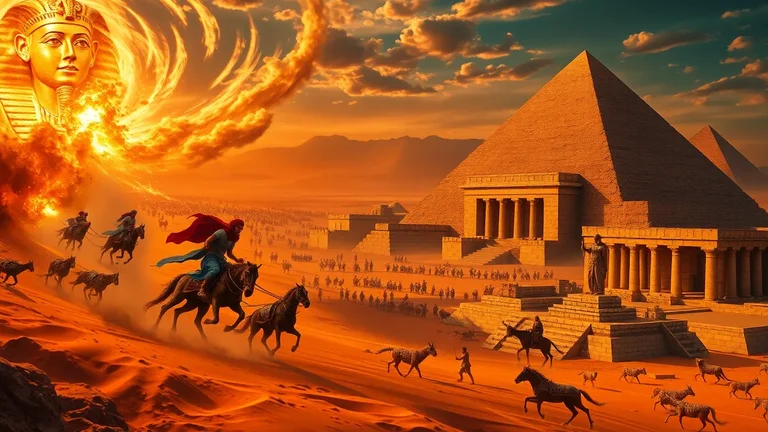
Pharaohs of ancient Egypt stand as towering figures in history, their lives woven into the fabric of dramatic epics that span literature, film, and theater. These rulers, often deified and shrouded in mystery, inspire narratives that blend historical fact with mythological grandeur. Consider the way pharaohs like Ramses II appear in epic tales: not just as kings but as god-like warriors battling invaders in sweeping battles across desert sands. Their stories draw from inscriptions on temple walls, papyri scrolls, and oral traditions passed through generations. In modern retellings, these pharaohs drive plots filled with intrigue, romance, and divine intervention, capturing the imagination of audiences worldwide. The epic quality emerges from the scale of their achievements—pyramids piercing the sky, armies clashing in the Nile Valley, and quests for immortality that challenge the gods themselves. Historians note that over 300 pharaohs ruled for three millennia, yet only a handful dominate these epics due to their preserved legacies and dramatic lives. For instance, the unification of Upper and Lower Egypt by Narmer sets the stage for epic foundations, symbolizing the birth of a civilization through conquest and divine mandate. These narratives often exaggerate feats, turning historical events into larger-than-life sagas where pharaohs converse with gods like Ra or Osiris, forging alliances or defying fates.
Deep dives into primary sources reveal how Egyptians themselves crafted epic-like chronicles. The Palermo Stone lists early kings' deeds in poetic fragments, while the Turin King List catalogs reigns with mythical overtones. In dramatic epics, this evolves into full-blown stories where pharaohs embark on heroic journeys. Take Sneferu, builder of three pyramids; in fictional epics, he wrestles with engineering demons or seduces priestesses for secret knowledge. Such portrayals highlight the pharaoh's role as intermediary between humans and divine realms, a theme central to Egyptian cosmology. Modern authors build on this, infusing psychological depth—pharaohs grappling with mortality, power's corruption, or forbidden loves. Films like 'The Mummy' series amplify this with curses and undead resurrections, turning tombs into portals of eternal drama. These epics preserve cultural memory while adapting to contemporary fears and fascinations, ensuring pharaohs remain eternal protagonists.
Ramses II: The Epic Warrior King
Ramses II, known as Ramses the Great, reigns supreme in dramatic epics for his military prowess and monumental legacy. Ruling from 1279 to 1213 BCE, he fathered over 100 children and built temples like Abu Simbel that still awe visitors. Epic narratives portray him at the Battle of Kadesh, where he faced Hittite chariots in one of history's largest chariot clashes—5,000 vehicles thundering across Syrian plains. In reality, it ended in stalemate, but propaganda on temple walls claims solo victory, inspiring epics where Ramses slays thousands single-handedly, his bronze sword gleaming under the sun. Authors like Christian Jacq in 'Ramses' series expand this into a five-volume saga, detailing palace intrigues, loves with Nefertari, and quests against Set's forces. Film adaptations, such as Cecil B. DeMille's 'The Ten Commandments,' merge him with biblical Pharaoh, hardening his heart against Moses in divine showdowns.
Details from Karnak inscriptions show Ramses expanding Egypt's borders to Nubia and the Levant, extracting tribute that funded obelisks and colossi. In epics, this becomes treasure hunts fraught with betrayals—viziers plotting assassinations, foreign queens seducing for alliances. His 66-year reign allows for multi-generational plots, with sons like Khaemwaset as scholarly sidekicks uncovering ancient magics. Statues depict him with idealized muscles, fueling heroic imagery in comics and games where players embody his campaigns. Psychological layers add depth: aging Ramses reflecting on mortality, commissioning Ramesseum for eternal life. Comparisons to Achilles or Alexander emerge, positioning him as Bronze Age epic hero. Archaeological finds, like his mummy's red hair, spark myths of divine blood, integrated into stories of prophetic visions.
To organize key battles in Ramses' epics, consider this table summarizing historical vs. dramatic depictions:
| Battle/Event | Historical Fact | Epic Portrayal |
|---|---|---|
| Kadesh (1274 BCE) | Stalemate; first peace treaty | Ramses single-handedly routs Hittites |
| Nubian Campaigns | Tribute extraction | Slaying of monstrous rebels |
| Libyan Wars | Border defenses | Epic sea battles with storms |
This table illustrates how epics amplify history for drama, turning tactics into triumphs.
Tutankhamun: The Boy King’s Tragic Epic
Tutankhamun's discovery by Howard Carter in 1922 catapults him into modern epics, despite his brief nine-year reign around 1332 BCE. Dying at 19, possibly from malaria or chariot accident, his intact tomb yields 5,000 artifacts, inspiring curses and resurrection tales. Epics cast him as tragic hero: restoring polytheism after Akhenaten's monotheism, navigating court shadows amid physical frailties—clubfoot, malaria scars evident on scans. In Zahi Hawass-inspired stories, Tut battles shadowy priests plotting his demise, his golden mask symbolizing fleeting glory. Films like 'Tut' miniseries depict youthful romances with Ankhesenamun, miscarried heirs foreshadowing dynasty's end.
CT scans reveal inbred weaknesses from 18th Dynasty intermarriages, fueling narratives of cursed bloodlines. Epic expansions include visions of Aten's wrath or Anubis guiding his soul. His artifacts—throne, chariots, canopic jars—become plot devices: stolen treasures unleashing plagues. Literature like Wilbur Smith's novels pits Tut against Horemheb's ambitions, blending archaeology with adventure. Modern games let players explore his tomb, solving riddles tied to real hieroglyphs. This boy king's epic underscores hubris and fate, contrasting grand predecessors with vulnerable humanity.
Cleopatra VII: Seductress and Strategist in Epics
Cleopatra VII, last Ptolemaic pharaoh (51-30 BCE), embodies epic romance and tragedy, her liaisons with Caesar and Antony sealing Egypt's Roman fate. Greek-Macedonian descent belies her Egyptian adoption, speaking nine languages, she rules amid civil wars. Shakespeare's 'Antony and Cleopatra' immortalizes her asp suicide, but epics delve deeper: outmaneuvering siblings Ptolemy XII and XIII in naval clashes like Actium's precursor. Hollywood's Elizabeth Taylor portrayal in 1963 film glamorizes her Nile barge seductions, golden gowns flowing as she allies with Rome.
Historical coins show her diademed profile, while Plutarch's lives detail intellect—philosopher queen hosting scholars. Epics amplify: Mark Antony's legions clashing with Octavian's, Cleopatra's fleet burning in betrayal. Novels like Margaret George's 'The Memoirs of Cleopatra' span 600 pages, chronicling library rebuilds, twins with Antony, and defiant end. Her epic arc from child ruler to icon challenges male dominance, inspiring feminist retellings where she embodies resistance. Underwater finds off Alexandria add shipwrecks to treasure-hunt plots.
- Key alliances: Julius Caesar fathers Caesarion, securing throne.
- Antony's Donations of Alexandria grant eastern kingdoms.
- Actium defeat (31 BCE) as turning point in Roman civil war.
- Legacy in coins, busts influencing Renaissance art.
- Modern myths: beauty potions, eternal youth pursuits.
These bullet points highlight dramatic pivots in her saga.
Hatshepsut: The Female Pharaoh’s Audacious Tale
Hatshepsut (1479-1458 BCE) defies gender norms as Egypt's first great female pharaoh, ruling 20+ years after Thutmose III's minority. Epic narratives frame her divine birth—conceived by Amun—legitimizing power. Punt expedition yields myrrh trees still rooted at Deir el-Bahri, depicted in reliefs as exotic quests with giraffes, leopards. Epics portray her outwitting uncles, donning false beard for authority, commissioning flawless obelisks.
Temple architecture reflects her era's peace, but stories invent invasions repelled by cunning diplomacy. Posthumous erasure by Thutmose III adds mystery—statues smashed, names chiseled out. Modern epics like Stephanie Dray's novels restore her agency, exploring lesbian undertones or magical prowess. Her trade networks to Levant, Africa sustain opulence, inspiring merchant-adventurer arcs. Mummy identification confirms obesity in later years, humanizing the legend.
Akhenaten and Nefertiti: The Heretic Revolution Epic
Akhenaten's Amarna Period (1353-1336 BCE) disrupts tradition with Aten sun-disk worship, relocating capital to Akhetaten. Tall, androgynous statues fuel epics of gender fluidity, forbidden love with Nefertiti. Boundary stelae declare monotheistic zeal, banning old gods. Epics depict riots by Amun priests, plagues as divine retribution. Nefertiti's bust, iconic blue crown, stars in tales as co-regent or successor mystery—did she rule as Smenkhkare?
Amarna art's naturalism—elongated skulls, full hips—suggests inbreeding or style shift, inspiring body horror elements. Family tomb's abandoned mummies hint assassinations. Michelle Moran's 'Nefertiti' novel chronicles rise from minor noble to empress, daughters' fates amid heresy trials. Operas and ballets dramatize sun hymns as choral epics. Restoration under Tutankhamun erases era, but epics reclaim it as bold experiment.
| Pharaoh | Key Epic Theme | Historical Innovation | Modern Media Example |
|---|---|---|---|
| Akhenaten | Religious upheaval | Monotheism attempt | Nefertiti novel series |
| Nefertiti | Power behind throne | Co-rulership | Bust replicas in films |
| Tutankhamun | Tragic youth | Tomb treasures | Tut miniseries |
This comparison table links history to epic drama.
Khufu and the Pyramid Builders’ Mythic Saga
Khufu (2589-2566 BCE), Great Pyramid architect, embodies engineering epic. 2.3 million blocks, precise alignments to stars fuel alien or slave labor myths, but evidence shows skilled workforce—bakeries, breweries for 20,000 men. Herodotus claims ramps and whips, but epics add sorcery: giants hauling stones, sphinx guardians. Westcar Papyrus tales link him to magicians prophesying successors.
Air shafts in pyramid point to Orion, suggesting stellar afterlife journey. Modern simulations depict construction logistics—Nile barges, copper tools. Novels like 'The Egyptian' by Mika Waltari interweave Khufu's court with prophecy fulfillments. Curses from graffiti protect tombs, inspiring horror epics.
Mythical and Modern Influences on Pharaoh Epics
Egyptian mythology infuses pharaoh epics: Horus avenger parallels avenging kings, Osiris resurrection motifs for afterlives. Book of the Dead spells become incantations in tales. Modern influences—Indiana Jones raiding tombs, Assassin's Creed navigating pyramids—blend history with fantasy. Operas like Aida feature Radames-Aida romance echoing pharaoh courts. Video games simulate reigns, choices altering histories.
Global fascination stems from Rosetta Stone decoding, Napoleon's campaigns. Exhibitions like King Tut's tour drew millions, spawning merchandise epics. Scholarly debates—were pharaohs divine or despots?—enrich narratives. Future VR epics promise immersive Nile voyages. Pharaohs endure, their dramas timeless mirrors to power's allure and peril.
Expanding on influences, consider literary giants: Agatha Christie's 'Death Comes as the End' sets murders in Thebes, pharaohs as suspects. Biblical Exodus epics pit unnamed pharaoh against plagues, floods. Anime like 'Yu-Gi-Oh!' reimagines Atem as duel-wielding king. Podcasts dissect mummies' secrets, fueling fan theories. Restoration projects, like Luxor's sphinx avenue, revive sites for location shoots. Climate data from Nile floods correlates with famine plots. Genetic studies trace 18th Dynasty lineages, confirming Tut's frailties. Economic models show pyramid costs equaling GDPs, amplifying epic scales. Psychological analyses view pharaoh worship as mass delusion, critiqued in dystopian retellings. Artistic evolutions—from tomb paintings to CGI spectacles—trace epic mediums' history. Folklore variants in Nubian tales portray pharaohs as tricksters. Comparative mythology links to Mesopotamian kings, shared motifs. Educational impacts: school plays reenact Ramses' victories, embedding lore. Tourism stats: 13 million Giza visitors yearly sustain myth economy. Conservation efforts against pollution add contemporary stakes. Philosophical inquiries ponder immortality quests' futility. These layers ensure pharaoh epics evolve, captivating anew.
Further depth on battles: Kadesh's terrain—Orontes River, hillocks—dictates chariot maneuvers, epics visualizing dust clouds, arrow storms. Ramses' bull charge becomes legendary, echoed in Hittite records. Diplomatic marriages post-treaty symbolize peace, plot devices for spy intrigues. Nubian gold mines' harshness inspires rebellion arcs, overseers as villains. Sea Peoples invasions under later Ramsesides end Bronze Age, apocalyptic finales. Weaponry details—composite bows, khopesh swords—enhance realism. Medical papyri inform wound treatments in fight scenes. Astronomical alignments guide campaigns, stars as omens. Logistical feats: grain silos feeding armies, foreshadowing logistics in epics. Betrayal motifs recur—Hittite double-crosses, Egyptian defectors. Victory stelae as propaganda blueprints for bards' songs. These elements craft immersive battle sagas.
Tutankhamun's court intrigues: Ay and Horemheb maneuvering post-Akhenaten. Ankhesenamun's letters to Hittites plead alliances, thriller twists. Tomb robbery attempts in antiquity add heist layers. Carter's excavation drama—sealed door's wonder—mirrors epic reveals. Artifact analyses: trumpets sounding eerie notes, magical props. Restoration controversies debate ethics, meta-narratives. Family dynamics: incestuous tensions, heir pressures. Religious reversals: smashing Aten statues, polytheist revivals. These weave personal tragedy into cosmic stakes.
Cleopatra's intellect shines in translations, diplomatic missives. Ptolemaic inbreeding yields weak rulers, her exceptions. Alexandria's lighthouse, library fires as backdrops. Roman politics entwine: Caesar's assassination ripples. Antony's eastern excesses caricature hubris. Octavian's propaganda vilifies, epics rehabilitate. Suicide methods debated—asp or poison—climax choices. Descendants' fates: Caesarion executed, twins raised Roman. Cultural syncretism: Isis cults spread via her image. Maritime archaeology yields coins, anchors authenticating seas.
Hatshepsut's obelisk inscriptions boast quarrying feats, 300-ton lifts. Punt reliefs detail baboons, incense trades. Thutmose III's erasures motivate revenge plots. Gender fluidity in art challenges norms. Trade routes mapped extend influence. Mummy's dental abscess humanizes. Successor campaigns conquer Syria, contrasting her peace. Architectural harmony at Deir el-Bahri inspires awe. These forge empowered heroine epic.
Akhenaten's hymns poeticize Aten, lyrical cores. Amarna letters reveal diplomacy. Family depictions intimate, scandalous. City abandonment ghostly. Nefertiti's disappearance theories: exile, death, rule. Art revolution democratizes forms. Health issues—Marfan syndrome?—add vulnerability. Tut's restoration hasty. Atenism echoes Judaism debates. Excavations yield workshops, daily life vignettes.
Khufu's successors Djedefre, Khafre continue pyramids, dynastic rivalries. Workforce villages house families, organized labor. Ramp theories—zigzag, internal—fuel engineering mysteries. Satellite voids hint chambers. Herodotus' magician tales persist. Economic booms from centralization. Sphinx erosion debates ages. Solar boat pits ritualistic. These build monumental odysseys.
Broader myths: underworld journeys in Coffin Texts, pharaoh judgments. God-kingship evolves from predynastic. Foreign influences—Hyksos chariots—hybridize warfare. Persian, Greek conquests end native rule. Roman Egypt's decline slow. Islamic golden age preserves texts. European enlightenment revives interest. 19th-century Egyptomania in operas, novels. 20th-century cinema peaks with epics. Digital age: AI reconstructions, metaverse tombs. Global festivals celebrate, cosplay pharaohs. Academic conferences dissect biases. Popular science books demystify. These sustain epic vitality.
In-depth on media: 'The Prince of Egypt' animates Moses-Pharaoh duel, songs elevating drama. 'Land of the Pharaohs' Howard Hawks film gritty builds. TV's 'Egypt's Golden Empire' docudramas blend fact-fiction. Graphic novels visualize reliefs dynamically. Board games simulate reigns. Podcasts narrate nightly. YouTube theories viralize. Museums' interactives engage. School curricula embed. Literary awards honor Egypt-themed works. Box office successes fund more. Streaming series proliferate. Fan fiction explodes tropes. Critical theory analyzes orientalism. Postcolonial views reclaim narratives. Intersectional lenses highlight queens. Environmental angles tie Nile to sustainability. Future epics integrate climate change threats to sites. Multiverse variants cross eras. These proliferate pharaoh lore exponentially. Ramses II tops the list due to his long reign, military campaigns like Kadesh, and monumental buildings, appearing in novels, films, and games as the ultimate warrior king. Epics emphasize tragedy, curses, and tomb treasures, exaggerating his brief life and physical ailments, while history focuses on restoring traditional religion after Akhenaten. Myths like Horus battles or Osiris resurrections provide divine backdrops, turning pharaohs into god-kings on quests for immortality amid palace intrigues. Her romances with Roman leaders, strategic mind, and dramatic suicide blend history with romance, making her a symbol of power and allure in Shakespeare and Hollywood. Novels and documentaries highlight her as a pioneering female ruler, focusing on trade expeditions and temple builds, countering her historical erasure.FAQ - Ancient Egypt's Pharaohs in Dramatic Epics
Who is the most frequently portrayed pharaoh in dramatic epics?
How do epics differ from historical accounts of Tutankhamun?
What role do myths play in pharaoh epics?
Why is Cleopatra central to modern pharaoh epics?
How have modern media adapted Hatshepsut's story?
Ancient Egypt's pharaohs like Ramses II, Tutankhamun, and Cleopatra dominate dramatic epics through exaggerated battles, divine quests, and palace intrigues, blending historical feats such as pyramid building and Kadesh clashes with mythic resurrections and romances for timeless storytelling.
The enduring allure of ancient Egypt's pharaohs in dramatic epics lies in their blend of historical grandeur and timeless human struggles, from conquests to cosmic quests, ensuring these rulers continue to captivate across millennia and media.