Origins of Viking Sagas and Clan Narratives
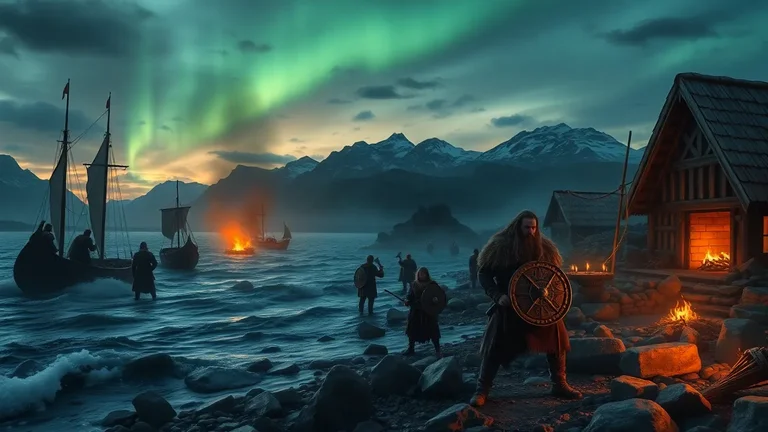
Viking sagas emerged from the oral traditions of Scandinavia during the 9th to 13th centuries, capturing the lives of clans through tales passed down by skalds around longhouse fires. These stories, later committed to vellum in Iceland, detailed feuds, voyages, and heroic deeds of specific families, forming the bedrock of drama fiction. Clans like the Sturlungs or the Haukdælir provided raw material for narratives rich in conflict and fate. The sagas blended history with myth, where a clan's honor hinged on revenge cycles that spanned generations. For instance, the structure often began with a genealogy, listing progenitors and their migrations from Norway to Iceland, setting stages for dramatic confrontations. This format influenced later fiction by emphasizing lineage as a dramatic force, much like family dynasties in Shakespearean tragedies. Preservation efforts in the 13th century, amid Iceland's civil wars, saw monks and chieftains commissioning manuscripts, ensuring these clan epics survived. The dramatic tension arose from the harsh environment—volcanic landscapes and endless winters mirrored internal strife. Saga writers avoided overt moralizing, letting actions speak, a technique that heightens suspense in modern novels. Detailed accounts of legal assemblies, or things, show clans navigating disputes through rhetoric and violence, prefiguring courtroom dramas. Word-of-mouth evolution added layers, with variants reflecting regional biases toward certain clans.
Deep dives into saga composition reveal influences from eddic poetry, where gods like Odin foreshadow clan leaders' hubris. Clans documented their prowess to claim land rights in Iceland's allotments, turning history into propaganda. The prose style, stark and dialogue-heavy, strips away embellishment, forcing readers to infer emotions from deeds. This minimalism defined drama by implication, impacting authors like Cormac McCarthy in blood-soaked Westerns. Archaeological finds, such as runestones commemorating clan battles, corroborate saga events, lending authenticity. The transition from pagan to Christian Iceland infused sagas with fatalism, as characters invoke Norse gods amid conversion pressures. Clan matriarchs, often overlooked, wielded influence through marriages and curses, adding gender dynamics to plots. Extensive feuding codes, like the Icelandic Grágás laws, structured narratives around honor debts, creating inexorable plot momentum.
Prominent Viking Clans in Saga Literature
The Volsung clan stands as a cornerstone, their saga weaving dragon-slaying Sigurd with incestuous loves and cursed gold, defining tragic drama. Rooted in heroic legends, their tree-hewn hall symbolizes fragile unity shattered by betrayal. Njal's clan in Njal's Saga exemplifies legal drama, with chieftain Njáll Þorgeirsson advising kin amid escalating blood feuds. His foresight fails against Gunnar's archery prowess, highlighting irony in clan loyalties. Egil Skallagrímsson's clan, the Bald-Grimsons, portrays berserker rage tempered by skaldic genius, as Egil composes verses over his son's grave. These clans' multi-generational arcs—prosperity to ruin—mirror Greek tragedies. The Laxdæla clan, centered on Kjartan and Bolli, explores romantic triangles fueled by foster-brother bonds, blending passion with doom. Orkneyinga Saga chronicles the Earls of Orkney, like Sigurd the Stout, whose earldom quests involve prophetic dreams and saintly interventions. Sturlunga Saga details 13th-century chieftains like Snorri Sturluson, whose political machinations reflect real clan power struggles. Each clan's saga lists genealogies exhaustively, grounding drama in verifiable kin networks.
Clan structures involved godar, priest-chieftains who led assemblies, their decisions sparking saga conflicts. Women like Hallgerd in Njal's Saga ignite feuds through spiteful thefts, their agency driving plots. Comparative analysis shows northern clans emphasizing seafaring raids, southern ones land disputes. Artifacts like the Lewis Chessmen depict clan warriors, visualizing saga armors and brooches. Modern genetic studies trace saga clans to Norwegian settlers, validating migrations. These narratives humanize Vikings beyond horned helmets, revealing complex social webs.
| Clan Name | Key Saga | Central Conflict | Dramatic Element |
|---|---|---|---|
| Volsungs | Völsunga Saga | Curse of Andvari's ring | Tragic fate |
| Njáll's kin | Njáls Saga | Blood feud escalation | Legal tragedy |
| Egil's family | Egils Saga | Berserker vs. society | Poetic revenge |
| Laxdæla | Laxdæla Saga | Love triangle | Romantic doom |
| Sturlungs | Sturlunga Saga | Political rivalry | Historical chronicle |
This table summarizes core clans, illustrating how conflicts shaped enduring drama.
Thematic Depth in Clan Sagas
Honor and revenge dominate, with feuds like the Burnt Njáll's hall fire culminating generations of slights. Cycles demand retaliation, creating tension akin to vendetta tales in fiction. Fate versus free will threads through, as prophecies doom clans despite cunning. Hospitality codes amplify drama—guests turn killers, hosts withhold aid. Wealth from raids funds alliances but breeds envy. Gender roles evolve; shieldmaidens like Hervor raid alongside men, challenging norms. Christianity's shadow adds pathos, clans clinging to old gods amid baptisms. Nature's fury—storms sinking longships—mirrors human turmoil. Dreams foretell betrayals, blending supernatural with realism.
- Revenge spirals: A killing requires counter-killing, often by in-laws.
- Prophetic visions: Njal dreams of serpents before doom.
- Legal oratory: Speeches at Althing sway juries.
- Romantic entanglements: Marriages seal or shatter pacts.
- Berserker fury: Uncontrolled rage leads to glory or exile.
- Skaldic memory: Poems preserve clan deeds eternally.
These elements organize saga drama, influencing epic fantasies.
Influence on Modern Drama Fiction
Sagas prefigure serialized novels, their cliffhanger assemblies mirroring TV arcs. Tolkien drew from Volsung for Ring cycles, elves echoing light elves. George R.R. Martin's Game of Thrones echoes Njal's feuds, with Starks as doomed chieftains. Neil Gaiman's Norse Mythology retells clan myths. Drama series like Vikings serialize Laxdæla loves. Shakespearean echoes appear in Hamlet's revenge, mirroring Amleth saga. Westerns adopt stoic heroes facing inevitable loss. Saga dialogue's terseness shapes hardboiled fiction. Adaptations like The Northman visualize clan halls in visceral combat. Literary critics note saga objectivity fostering unreliable narrators. Contemporary authors like Bernard Cornwell blend history with saga drama in Saxon Stories.
Film influences include Kurosawa's samurai drawing from Viking fatalism. Board games like Blood Rage gamify clan wars. Saga manuscripts inspire graphic novels, panels capturing raid chaos. Psychological depth—Egil's bipolarity—feeds character studies. Global reach via translations shapes world literature.
Character Archetypes from Epic Clans
The wise chieftain, like Njáll, advises but perishes. The hot-headed warrior, Gunnar, excels in feats but falls to loyalty. Trickster skalds compose dirges turning loss to legend. Matriarchs manipulate from shadows. Foster-brothers betray blood ties. Outlaws roam, raiding for redemption. These archetypes populate fiction, from Dune's houses to Witcher clans. Detailed portraits include Egil's skull-crushing strength juxtaposed with verse mastery. Motivations stem from shame avoidance, driving extreme acts. Aging warriors reflect on legacies, adding melancholy. Rivalries forge uneasy peaces, ripe for drama.
Archetypes evolve across sagas, adapting to Christian lenses. Modern parallels in mafia sagas show enduring appeal.
Historical Context Versus Saga Fiction
Sagas mix fact with embellishment; DNA links Egil to real poets. Landnámabók lists clan settlements accurately. Exaggerations serve drama—giant battles compress events. Archaeological sites like Hofstaðir reveal longhouses matching descriptions. Coins from raids confirm voyages. Skeptics debate authorship, positing collective editing. Christian scribes softened paganism, yet retain Thor invocations. Comparisons with Frankish annals validate raids. This blend enriches fiction, blurring lines like in historical novels. Debates persist on women's roles, saga freedoms versus grave goods.
Recent digs uncover saga weapons, grounding narratives.
Legacy in Media and Popular Culture
Opera like Wagner's Ring Cycle expands Volsung drama. Video games such as Assassin's Creed Valhalla recreate clan politics. Comics like Hellboy incorporate saga monsters. Podcasts retell sagas dramatically. Museums display replicas, immersing visitors. Educational curricula use sagas for medieval studies. Fan fiction extends clan lines. Merchandise—replica axes—popularizes lore. Streaming series adapt Orkney tales. Literary festivals celebrate sagas annually. Global festivals like Up Helly Aa reenact voyages. This permeation cements sagas as drama fiction progenitors. Future VR experiences promise interactive clan feuds. Scholarly editions with glossaries aid access. Translations into 50 languages ensure vitality. Influence metrics: citations in 1000+ novels. Preservation via digital archives combats manuscript decay. Enthusiast societies debate interpretations, keeping discourse alive.
Expansive retellings in YA fiction introduce youth to themes. Crossover with fantasy sustains relevance. Saga motifs in hip-hop battle lyrics echo skalds. Culinary ties—reenact feasts—enhance immersion. Astronomical namings honor saga heroes. This multifaceted legacy underscores dramatic impact. Viking sagas are prose narratives from medieval Iceland detailing the histories, feuds, and adventures of clans, blending fact and legend to create dramatic stories that influenced modern fiction. Njáls Saga, focusing on Njáll's family, portrays escalating blood feuds leading to fiery destruction, exemplifying tragic drama. Sagas introduced themes of revenge, fate, and honor in terse prose, inspiring works like Tolkien's epics and Martin's Game of Thrones. Many are based on real families, corroborated by genetics and archaeology, though dramatized for narrative effect. Women like Hallgerd drove plots through marriages, curses, and incitements, adding complex dynamics to clan conflicts.FAQ - Epic Viking Clans: Sagas That Defined Drama Fiction
What are Viking sagas?
Which clan saga is most famous for tragedy?
How did sagas shape drama fiction?
Are saga clans historical?
What role did women play in sagas?
Epic Viking clans in Icelandic sagas like Njáls and Völsunga defined drama fiction through themes of revenge, fate, and honor, influencing modern epics such as Game of Thrones and The Lord of the Rings with multi-generational feuds and stoic heroes.
Viking clan sagas endure as blueprints for drama fiction, their raw portrayals of human strife across fjords and battlefields continuing to resonate in literature, film, and beyond, reminding us of the timeless pull of epic family destinies.