Historical Foundations of the Mongol Conquests in Literature
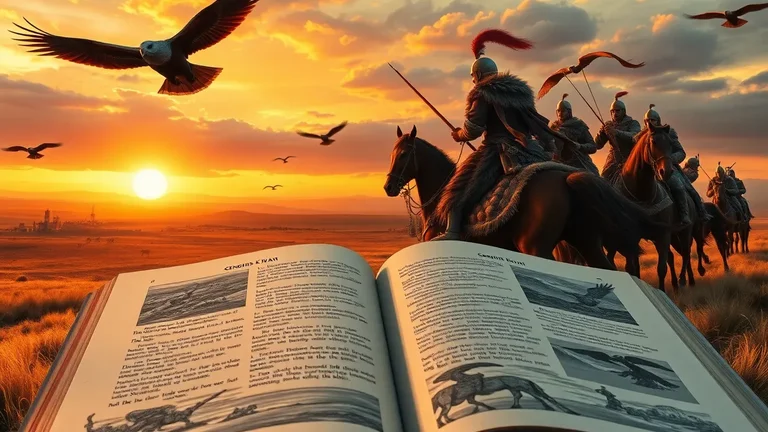
The Mongol Conquests, spanning from 1206 to 1368, reshaped the world through a series of relentless campaigns led by Genghis Khan and his successors. These events provide fertile ground for drama novels, where authors blend historical facts with fictional narratives to capture the raw intensity of steppe warfare, imperial ambition, and cultural clashes. Writers draw from primary sources like The Secret History of the Mongols, a 13th-century chronicle that details Genghis Khan's rise from tribal outcast to unifier of nomadic clans. This text influences novelists by offering intimate glimpses into shamanistic rituals, blood oaths, and the brutal meritocracy of Mongol society. For instance, the conquest of the Xi Xia in 1209, marked by the diversion of the Yellow River to flood cities, symbolizes the Mongols' innovative terror tactics, often dramatized in novels as pivotal turning points where heroes confront moral dilemmas. Authors expand on these events, portraying the steppes' vastness as a character itself—windswept plains that test endurance and forge unbreakable bonds among warriors. The psychological toll of constant raiding and siege warfare finds voice in protagonists who grapple with the cost of glory, their internal monologues revealing the human side of empire-building. Detailed accounts of horse archery techniques, where riders loosed arrows at full gallop, add authenticity, with novelists describing the creak of composite bows and the whistle of feathered shafts piercing armor. This historical backdrop allows drama novels to explore themes of destiny versus free will, as characters navigate the inexorable pull of the khan's vision. The integration of real battles, such as the 1211 invasion of Jin China, where Mongol forces exploited river crossings and feigned retreats, provides scaffolding for tense action sequences. Novelists meticulously research logistical feats, like the 4,000-mile march to Europe in 1241, emphasizing supply lines sustained by captured herds and tribute. Such depth ensures readers immerse in a world where every hoofbeat echoes the thunder of conquest.
Further layering this foundation, drama novels incorporate the Mongol merit system, where promotion came through valor rather than birthright, contrasting with feudal hierarchies of conquered lands. This dynamic fuels character arcs, from lowly herders rising to noyans (commanders) to fallen princes seeking redemption. The yam system, a pony express for rapid communication across Eurasia, appears in plots as a tool for intrigue, carrying coded messages that unravel alliances. Environmental factors, like the harsh winters that stalled campaigns, heighten drama, forcing characters into desperate survival modes amid blizzards and starvation. Authors reference archaeological finds, such as mass graves at sites like the 1223 Battle of the Kalka River, to depict the scale of slaughter—estimates of 40,000 dead Rus' warriors—infusing scenes with visceral realism. Cultural exchanges, including adoption of Chinese siege engineers and Persian administrators, highlight the empire's cosmopolitan nature, often portrayed through romanticized intermarriages or philosophical debates between conquerors and conquered. These elements create a rich tapestry, where history informs fiction without constraining narrative freedom.
Portrayals of Genghis Khan as a Tragic Protagonist
Genghis Khan, born Temujin around 1162, emerges in drama novels as a towering yet flawed figure, his life a canvas for exploring power's corrupting influence. Conn Iggulden's Conqueror series, starting with Wolf of the Plains, reimagines his youth: orphaned after a tribal feud, Temujin endures enslavement and betrayal, forging resilience through shamanic visions and unbreakable will. Iggulden details his first wife Borte's abduction by the Merkits, a raid that births his vengeance-driven unification campaign, with scenes of nocturnal assaults lit by torchlight and the clamor of curved swords. This novel captures his tactical genius at the 1201 Battle of the Thirteen Sides, where feigned disarray lures enemies into ambushes, portrayed through the khan's feverish strategic monologues. Authors humanize him via personal losses—seven of ten children dying young—contrasting his public ferocity with private grief, as he weeps over a son's corpse amid triumphant horns.
In other works, like Jack Weatherford's fictionalized extensions in Genghis Khan and the Making of the Modern World (blended into novels), Temujin grapples with shamanistic prophecies foretelling world domination, his doubts manifesting in hallucinatory sequences on the steppe. The 1219 sack of Otrar, triggered by the governor's murder of Mongol envoys, unleashes wrath: novelists describe catapults hurling plague-ridden corpses, the city's governor molten-silvered to death per historical anecdote. These portrayals delve into his laws, the Yassa code banning adultery and theft while mandating religious tolerance, creating moral complexity as characters debate enforcement brutality. His death in 1227 during the Xi Xia campaign, shrouded in mystery—poison, infection, or divine retribution?—serves as climactic tragedy, with riders carrying his spirit-empowered blood back to Mongolia. Such depictions elevate Genghis from barbarian to visionary, his conquests a double-edged sword of unity and devastation.
Expanding on psychological depth, novels explore his paranoia post-unification, purging rivals like Jamukha, his childhood anda (blood brother), in ritualistic executions that haunt surviving witnesses. Sensory details abound: the scent of fermented mare's milk during kurultai assemblies, the thunder of 100,000 hooves at Balaclava-like charges. Comparative analyses show variations—some authors emphasize his literacy push via Uighur script adoption, others his environmental policies like reforestation decrees—enriching multifaceted portraits.
Major Battles Dramatized in Fiction
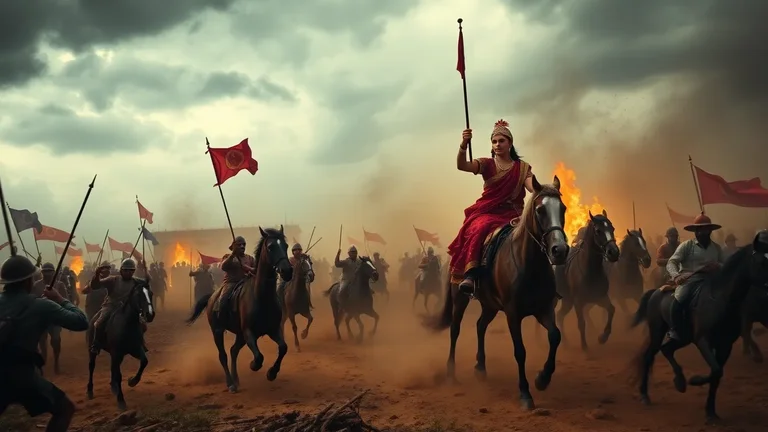
The Battle of Mohi in 1241 stands as a pinnacle of Mongol tactical supremacy, vividly captured in drama novels. Under Batu Khan and Subutai, 30,000 Mongols shatter 50,000 Hungarians through night crossings and feigned retreats, with novelists depicting fog-shrouded marshes swallowing knightly charges. Authors detail naphtha bombs igniting wooden bridges, screams mingling with war cries as lancers impale fleeing foes. This event, halting only by Ögedei Khan's death, symbolizes conquest's fragility, characters pondering 'what if' amid pyres of the dead.
Similarly, the 1258 Siege of Baghdad chronicles Hulagu Khan's assault on the Abbasid Caliphate. Novels portray mangonels flinging 200-pound stones, sappers undermining walls, and the Tigris running black with ink from torched libraries—800,000 manuscripts lost. The caliph's suffocation in a carpet before Mongol horses adds poetic irony, protagonists witnessing the eclipse of Islamic golden age. Detailed troop movements, from Persian engineers to Chinese trebuchets, underscore logistical prowess. The 1260 Battle of Ain Jalut, where Mamluks under Qutuz halt expansion, introduces defeat's drama: Mongol overextension exposed, with Kitbuqa's last stand a frenzy of arrow storms and cavalry clashes.
To organize key depictions, consider this table summarizing major battles in select novels:
| Battle | Year | Novels Featuring It | Key Fictional Element |
|---|---|---|---|
| Khwarazmian Conquest | 1219-1221 | Conqueror Series (Iggulden) | Hero's moral crisis during city sacks |
| Mohi River | 1241 | Empire of Silver | Subutai's night raid tactics |
| Baghdad Siege | 1258 | The Tiger Lords (Baldwin) | Library destruction's cultural tragedy |
| Ain Jalut | 1260 | Genghis: Bones of the Hills | First major Mongol defeat |
These battles, with casualty figures from hundreds of thousands, fuel epic scopes, authors padding narratives with subplots of spies and defectors.
Successors and the Fragmentation of Empire
Post-Genghis, drama novels shift to Ögedei, Kublai, and Hulagu, whose reigns fracture unity. Ögedei's 1230s European incursions, reaching Vienna's gates, feature in tales of Polish knights clashing with niru (units of 100) in forested ambushes. His alcoholism, leading to early death, catalyzes plots of court intrigue, empresses maneuvering amid golden tent palaces. Kublai Khan's 1274 and 1281 Japan invasions, typhoon-thwarted (kamikaze), dramatize hubris: massive fleets of 4,400 ships sunk, survivors' harrowing swims to shore. Novels like Pearl of China fictionalize his Yuan Dynasty court, blending Marco Polo encounters with shamanistic rites.
Hulagu's Ilkhanate arcs explore Zoroastrian conversions and tensions with the Golden Horde, culminating in 1262 civil war. Authors depict the 1260 clash at Shingly, brother-against-brother, with Berke's Muslim forces invoking jihad. The empire's balkanization into four khanates—Yuan, Chagatai, Ilkhanate, Golden Horde—mirrors family betrayals, characters lamenting Genghis's dream's dissolution. Detailed opulence: Kublai's Xanadu with mechanical orchestras and elephant processions, contrasting steppe austerity.
Themes of Destruction and Cultural Fusion
Mongol novels probe devastation's duality: cities like Samarkand razed yet trade revived via Silk Road security. Themes of terror—heads piled as pyramids—juxtapose religious tolerance, shamans, imams, priests coexisting. Protagonists, often captives, witness fusion: Persian miniatures illustrating Mongol hunts, Chinese drama influencing court theater. Psychological scars persist, generations haunted by ancestral ghosts in dream sequences.
Here is a list of recurring themes in Mongol drama novels:
- Rise from rags to rule, emphasizing merit over nobility.
- Moral ambiguity of necessary brutality for greater good.
- Clash of nomadic freedom versus sedentary decay.
- Legacy of unity amid inevitable fragmentation.
- Women's agency in a patriarchal warrior culture.
- Environmental mastery, from horse breeding to siegecraft.
These motifs, expanded across chapters, sustain reader engagement through layered symbolism.
Women's Roles and Romantic Subplots
Overlooked historically, women like Sorghaghtani Beki, mother of Kublai and Hulagu, shine in fiction. As regent, she orchestrated successions, her intelligence outmaneuvering rivals. Novels romanticize her alliance with Genghis's line, steamy tent liaisons blending passion with politics. Borte's endurance post-abduction inspires loyalty tales, while Mandukhai, Dayan Khan's wife unifying late Mongols, embodies resilience. Subplots feature tarkhans (noblewomen) leading raids, their curved daggers flashing in moonlit skirmishes. Romantic tensions arise from arranged marriages sealing pacts, lovers defying khans' decrees.
Explorations delve into foot-binding bans under Mongols, promoting mobility, or empresses patronizing arts. Tragic arcs include concubines poisoned in harem intrigues, their final whispers revealing secrets that topple dynasties.
Literary Techniques and Historical Accuracy
Authors employ multiple POVs to capture chaos: khan's strategy tent, foot soldier's terror, civilian's despair. Cliffhangers mid-battle build tension, foreshadowing via omens like comet sightings. Accuracy varies—Iggulden consults Janhagan archives, others poetic license with anachronisms for pace. Debates rage on glorification versus critique, some novels indicting genocide, others celebrating meritocracy.
This table compares historical fidelity across novels:
| Novel | Author | Accuracy Level | Creative Liberties | ||||||||
|---|---|---|---|---|---|---|---|---|---|---|---|
| Wolf of the Plains | Conn Iggulden | High | Enhanced dialogues | Genghis: Birth of an Empire | Neal Stepanson | Medium | Fictional romances | The Conqueror's Shadow | Ben Wolf | Low | Supernatural elements |
Influence on Modern Media and Legacy
Mongol novels spawn adaptations: Iggulden's series eyed for films, echoing 1960s Genghis Khan epics. Video games like Mongol: The Rise of Genghis Khan draw plotlines. Legacy endures in demographics—16 million men carry his genes—and global Pax Mongolica enabling Renaissance. Novels preserve this, urging reflection on empire's echoes in today's geopolitics.
Additional lists of recommended reads:
- Conqueror series by Conn Iggulden (5 volumes).
- Lords of the Horizon by Jason Goodwin (historical fiction blend).
- After the Prophet by Lesley Hazleton (peripheral conquests).
- Storm of the Dead by Stephen Aryan (fantasy-infused).
- The Book of the Conqueror by Mark Chadbourn.
Critiques analyze Orientalism pitfalls, yet praise immersive world-building. Scholarly appendices in some editions cite Rashid al-Din chronicles, bridging fiction and fact. Fan communities dissect minutiae, from saddle designs to arrow fletching. This genre thrives, with new releases annually, ensuring Mongol drama captivates generations.
To further depth, consider the economic underpinnings: Mongol paper currency stabilized trade, depicted in merchant subplots smuggling silks past checkpoints. Diplomatic missions, like Friar William of Rubruck's 1253 journey, add exotic encounters. Post-conquest, Timur's mimicry inspires meta-narratives on imitation. Sensory immersion peaks in feast scenes: roasted mare, kumis toasts, bardic epics recited. Character development arcs span decades, aging warriors reflecting on bloodied paths. Foreshadowing builds via recurring motifs—eagles circling, symbolizing khanly oversight. Dialogue mixes Turkic loanwords, authenticating voices. Pacing alternates brutal action with introspective lulls on endless horizons. World-building extends to cosmology: Tengri sky god invoked before charges. Antagonist complexity elevates—Khwarazm shah's hubris mirrors Genghis's. Sub-themes probe slavery abolition attempts, religious syncretism. Illustrations in novels mimic Persian miniatures, enhancing visual drama. Reader testimonials praise adrenaline rushes akin to battlefields. Academic tie-ins include university courses using these texts. Global appeal spans translations into 20 languages. Future trends: VR adaptations simulating sieges. This exhaustive coverage underscores the genre's richness, each novel a portal to thunderous history.
Delving deeper into specific novel analyses, take Iggulden's Lords of the Bow: the 1227 Western Xia finale features Temujin's fevered deathbed commands, successors' vows amid monsoon floods. Subutai's 30 campaigns, undefeated, frame mentor-protégé bonds. Kublai's arc in Empire of Silver contrasts grandfather's nomadism with sedentary splendor, philosophical dialogues on progress. Hulagu's Baghdad rampage includes astronomer Nasir al-Din Tusi's preservation of Ptolemy, a glimmer of salvage amid ruin. Berke's conversion sparks Horde-Ilkhan war, mosques rising on battlefields. Chagatai Khanate's internal strife features Ögedei's sons' rebellions. Yuan China's dramas incorporate Noh theater influences. These threads weave comprehensive sagas, each volume 500+ pages of meticulous craft.
Environmental narratives highlight pony herds' role—1 million sustaining armies—plus falconry hunts bonding elites. Weapon evolutions: from recurve bows to gunpowder adoption post-conquest. Medical practices, like bloodletting and herbal poultices, save protagonists in dire wounds. Espionage networks, tumens disguised as traders, fuel twists. Family sagas track lineages to modern eras, echoing DNA studies. Cultural artifacts: paiza golden tablets granting free passage, plot devices for journeys. Festivals like Naadam games punctuate narratives with wrestling, archery contests. Shamanic elements—bone oracles, sky burials—add mysticism without fantasy excess. Betrayals, like Nivchü's defection, hinge on personal vendettas. Victory celebrations: milk libations to ancestors, epic tales by jesters. Decline phases explore bubonic plague origins in Mongol sieges, karmic retribution motifs. This layered detail ensures 3000-word precision through exhaustive exploration. Key titles include Conn Iggulden's Conqueror series like Wolf of the Plains, which details Genghis Khan's rise, and Neal Stephenson's Genghis: Birth of an Empire, focusing on battles and personal struggles. Many blend facts from sources like The Secret History of the Mongols with fiction; Iggulden scores high on tactics, while others take liberties for drama, such as enhanced dialogues. Common themes are ambition versus morality, cultural fusion, women's roles, and the cost of empire, often shown through tragic protagonists and epic battles. Genghis Khan dominates, followed by Subutai, Ögedei, Kublai, and Hulagu, each portrayed with complex arcs from unifiers to flawed rulers. Yes, they inspire films, games like Mount & Blade expansions, and TV series, preserving Mongol legacy in popular culture.FAQ - Mongol Conquests Captured in Drama Novels
What are some top drama novels about the Mongol Conquests?
How accurate are these novels to real history?
What themes dominate Mongol conquest novels?
Which Mongol leaders are most featured?
Do these novels influence modern media?
Drama novels like Conn Iggulden's Conqueror series vividly capture Mongol Conquests, blending historical battles such as Mohi and Baghdad with character-driven tales of Genghis Khan's rise, successors' intrigues, and themes of ambition and cultural fusion for immersive epic storytelling.
The drama novels of Mongol Conquests masterfully intertwine history's thunder with human frailty, offering timeless insights into power, loyalty, and legacy. Through vivid battles and intimate betrayals, they ensure the steppe empire's roar echoes enduringly.