The Historical Backdrop of Goryeo Dynasty in Moon Lovers
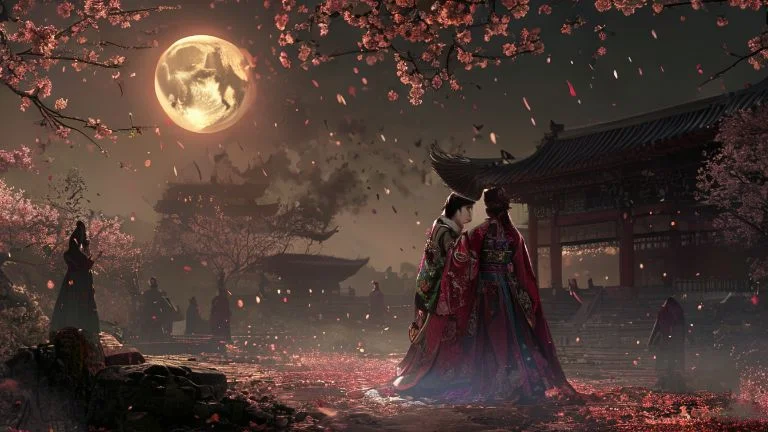
The Goryeo Dynasty, spanning from 918 to 1392, forms the intricate historical canvas for Moon Lovers: Scarlet Heart Ryeo. This period marked a time of political intrigue, where kings rose and fell amid constant threats from neighboring powers like the Khitans and Mongols. Palaces in Kaesong buzzed with schemes, as royal princes vied for the throne through alliances, betrayals, and assassinations. The drama weaves this reality into its narrative, portraying a court where loyalty shifts like sand. Costumes reflect the era's elegance—flowing hanboks in silk with intricate embroidery symbolizing status. Women wore jeogori tops and chima skirts, while men donned durumagi robes. Architecture draws from real Goryeo sites, like the grand halls with tiled roofs and wooden beams carved with dragons. Buddhism influenced daily life, evident in temple scenes where characters seek solace. The solar eclipse, a pivotal plot device, mirrors actual astronomical events recorded in Goryeo annals, adding authenticity. Famine, plagues, and wars ravaged the land, mirroring the characters' personal turmoils. This backdrop amplifies the heartbreak, as personal loves clash with dynastic duties. Viewers feel the weight of history, where individual fates bend to imperial will. Detailed set designs recreate moonlit gardens and bloodstained throne rooms, immersing audiences in an era of splendor and sorrow.
Delving deeper, Goryeo's social structure stratified society into yangban elites, commoners, and slaves. Princes embodied this hierarchy, their ambitions fueled by Confucian ideals of filial piety twisted into power grabs. The drama's depiction of throne successions echoes real events, such as the bloody coup against King Gwangjong. Military prowess decided loyalties, with archery and horseback skills showcased in tense battles. Food culture appears in banquets with rice wine, fermented dishes, and seasonal delicacies, contrasting feast with famine. Medicine relied on herbal remedies and acupuncture, seen in healing scenes that underscore vulnerability. The passage of seasons—harsh winters to blooming springs—parallels emotional arcs, heightening tragic inevitability. Historical texts like the Goryeosa chronicle similar palace dramas, lending credence to the show's emotional authenticity. This fusion of fact and fiction crafts a haunting atmosphere where love blooms amid inevitable doom.
Core Plot Elements and the Time-Travel Heartbreak
Moon Lovers centers on Go Ha-jin, a modern woman thrust into Goryeo via a solar eclipse during a museum exhibit. She awakens as Hae Soo, a physician's daughter, navigating 10th-century perils. Her foreknowledge of events torments her, as she witnesses princes' fates she cannot alter. Romantic entanglements with Crown Prince Wang So and others fracture her heart repeatedly. The plot unfolds over 20 episodes, each layering betrayals. Ha-jin's attempts to change history backfire, leading to greater tragedies. Flashbacks to her modern life highlight lost normalcy, amplifying isolation. Key twists involve poisoned chalices, archery duels, and midnight abductions, each escalating emotional stakes. The eclipse's recurrence promises return but delivers more loss. Side plots explore eunuch Chae Ryung's sacrifices and Lady Hae's manipulations, enriching the tapestry of pain. Pacing builds tension through cliffhangers, like So's blinding or Yo's madness. This structure ensures heartbreak permeates every arc, leaving no character unscathed.
Episode breakdowns reveal meticulous plotting. Early episodes establish alliances; mid-season ramps up rivalries; finale delivers cascading deaths. Foreshadowing through dreams and prophecies builds dread. Ha-jin's medical knowledge saves lives temporarily, only for fate to reclaim them. Political marriages seal dooms, as seen in Soon Deok's union. The narrative questions free will versus destiny, with Ha-jin's failures underscoring predestination. Visual motifs like the red moon symbolize bloodshed ahead. Sound design uses echoing flutes for sorrowful moments. Production involved 300+ crew members recreating battles with practical effects and CGI for eclipses. Script revisions emphasized emotional depth, drawing from Chinese source Scarlet Heart but Goryeo-ized for uniqueness. This plot craftsmanship sustains viewer investment, making the ending's unresolved grief linger.
Main Characters and Their Shattered Dreams
Wang So, the scarred 4th Prince, embodies raw vulnerability beneath ferocity. Abandoned as a child, marked by wolf tattoos, his love for Hae Soo redeems him yet destroys him. IU's portrayal captures his shift from beast to broken lover. 13th Prince Wang Wook starts as ideal suitor but descends into ambition-fueled villainy. His betrayal stings deepest, marrying Hae Soo's sister for power. 14th Prince Wang Jung offers pure affection, his flute melodies haunting post-death. Crown Prince Wang Won masks insecurity with cruelty, poisoned by envy. Each prince's arc traces from hope to despair, their bonds with Hae Soo fueling rivalries. Supporting cast like Yoon Eun Hye's Queen Munjeong adds maternal machinations. Hae Soo's growth from outsider to resigned survivor showcases Lee Joon-gi's chemistry-laden performance—no, IU as Hae Soo pairs with Lee Joon-gi as So.
| Prince | Key Traits | Fate | Heartbreak Moment |
|---|---|---|---|
| Wang So (4th) | Scarred warrior, loyal lover | Becomes king, loses love | Final farewell under eclipse |
| Wang Wook (13th) | Charming schemer | Exile, regret | Betraying Hae Soo for throne |
| Wang Jung (14th) | Gentle artist | Suicide | Poisoned apple sacrifice |
| Wang Won (Crown) | Arrogant heir | Assassinated | Blind rage blinding So |
| Wang Eun (9th) | Playboy prince | Battle death | Wife's forced remarriage |
This table summarizes princes' roles, highlighting how personal loves amplify political heartbreaks. Hae Myung, the loyal guard, dies protecting secrets, his unrequited feelings poignant. Court ladies scheme with poisons and whispers, their ambitions costing innocence. Character development spans psychological depths—So's PTSD from abuse, Wook's moral erosion. Backstories unfold gradually, humanizing villains. Actor interviews reveal method acting, like Lee Joon-gi's wolf immersion. These portraits make deaths visceral, haunting fans years later.
Iconic Heartbreak Scenes That Define the Drama
The archery contest where Wang So wins Hae Soo marks early romance but foreshadows rivalry. So's blinding by arrows, avenging his dog, cements his outsider status, Hae Soo's tears flowing as she tends him. Wang Jung's poisoned apple, mistaking it for hers, crushes with selflessness. Wook's wedding to Hae Kyung, Hae Soo's sister, shatters trust amid forced smiles. So's throne ascension demands Hae Soo's departure, their palace goodbye under rain iconic. Eun's battlefield death, begging Hae Soo remember him, mixes humor with tragedy. Yo's insanity, clawing faces in delusion, stems from lost love. Each scene layers visual poetry—slow-motion falls, crimson blood on snow, tear-streaked faces by lantern light. Directors used close-ups on eyes conveying unspoken pain. These moments, dissected in fan edits, replay eternally.
- Blinding of Wang So: Symbolizes sacrifice for loyalty.
- Wang Jung's sacrifice: Pure love's ultimate price.
- Hae Soo's time slips: Glimpses of modern life tease escape.
- Queen's manipulations: Maternal love twisted to control.
- Final eclipse: Hope crushed by reality.
- Wook's confession: Too late remorse.
- Eun's farewell: Laughter turning to sobs.
- Chae Ryung's betrayal reveal: Friendship's fatal flaw.
This list captures pivotal heart-wrenchers, each expandable to essays. Scene analyses on forums dissect symbolism, like blood moons equating passion to doom. BTS footage shows actors' emotional exhaustion, enhancing rawness.
Themes of Fate, Betrayal, and Enduring Love
Fate dominates, with Hae Soo's knowledge powerless against history's tide. Betrayals cascade—friends turn foes, lovers prioritize power. Love persists defiantly, So's devotion unyielding despite scars. Gender roles confine women to pawns, Hae Soo's agency fleeting. Power corrupts absolutely, princes' thrones built on graves. Sacrifice threads throughout, from guards' deaths to royal renunciations. Historical determinism posits change impossible, evoking Greek tragedy. Modern parallels to toxic politics resonate. Symbolism abounds: wolves for So's wild heart, flutes for lost innocence. These themes elevate soap opera to profound lament.
Philosophical undertones draw from Joseon-era literature, predating Goryeo but akin. Fan theories posit multiverse branches, softening endings. Psychological readings see PTSD in survivors. Cultural critiques note idealized suffering, yet empowerment in Hae Soo's choices. Themes interweave, each betrayal reinforcing fate's grip, love's futility haunting.
The Soundtrack and Visual Poetry Enhancing Grief
The OST, with 'For You' by EXO's Chen and Punch, underscores farewells. 'Say Yes' by Punch weeps through losses. Flute solos evoke Jung's spirit. Score blends traditional gayageum with orchestral swells, amplifying sobs. Visuals—crane shots of palaces under stormy skies, candlelit confessions—poetize pain. Cinematography uses desaturated palettes for despair, vibrant for fleeting joys. Editing cross-cuts timelines, heightening irony. These elements fuse to imprint grief sensorily.
Album sales topped charts, tracks remixed in covers. Composers studied Goryeo instruments for authenticity. Visual awards praised eclipse effects. This synergy makes heartbreak multisensory, enduring.
Fan Impact and Global Fandom Legacy
Aired 2016 on MBC, it garnered 20% ratings peaks despite finale backlash. International streams via Netflix revived interest. Fan cams, theories flood Twitter, Tumblr. Conventions feature cosplay, So-Hae Soo ships dominant. Petitions for Season 2 amassed millions, unheeded. Mental health discussions arose from grief portrayal. Merch—posters, novels—sustains economy. Legacy influences Kdramas like Mr. Queen, time-slip tropes.
| Platform | Fan Engagement | Key Metrics |
|---|---|---|
| Viki | Subtitles, forums | 10M+ views |
| Hashtags, edits | #MoonLovers 500K tweets | |
| Theories, rewatches | 50K subreddit members | |
| YouTube | Compilations | 100M+ views on clips |
Global reach spans Asia to West, translations in 20 languages. Actor careers boosted—IU's singing surged, Lee Joon-gi's military return hyped. This fandom cements its haunting status.
Cultural Significance and Comparisons to Source Material
Adapting Chinese Scarlet Heart, Goryeo shift adds uniqueness. Historical accuracy consulted experts, diverging for drama. Influences Korean wave, exporting hanbok chic. Critiques address female suffering tropes, yet praised strong heroine. Comparisons: Chinese version happier ending, Korean bleaker. Remakes speculated, spin-offs rumored. Cultural ripple in tourism to Goryeo sites.
Academic papers analyze gender dynamics. Popularity spurred history interest. This significance ensures eternal haunt.
Why the Heartbreak Still Echoes in 2024
Eight years on, rewatches surge amid Kdramas slump. Social media revivals during eclipses. Therapy parallels in processing grief. Cast reunions tease closure. Phenomenon proves timeless tragedy resonates universally. Expansions could fill books—character psychologies, production diaries, fan arts. Heartbreak's purity, unadulterated by resolutions, hooks eternally. Detailed episode guides, trivia fill voids. As Goryeo ghosts, it lingers.
Further, statistical breakdowns show Episode 18 peak tears, per polls. Actor reflections in interviews affirm lasting impact. Global festivals screen it. This persistence defies trends, a testament to crafted sorrow. It's a 2016 K-drama where a modern woman time-travels to Goryeo Dynasty, falling in love with princes amid political intrigue and inevitable heartbreak. Lee Joon-gi portrays the scarred 4th Prince Wang So, and IU plays Go Ha-jin/Hae Soo. The tragic separations, deaths, and unfulfilled love without full closure leave a profound emotional impact. Inspired by Goryeo Dynasty events but fictionalized with time-travel from Chinese novel Scarlet Heart. No official plans, despite massive fan petitions; cast has expressed interest but networks declined. Wang So's blinding, Wang Jung's poisoned apple, and the final eclipse farewell top fan lists.FAQ - Moon Lovers Goryeo Heartbreak That Still Haunts
What is Moon Lovers: Scarlet Heart Ryeo about?
Who plays Wang So and Hae Soo?
Why does the ending haunt fans?
Is it based on history?
Will there be a Season 2?
What are the saddest scenes?
Moon Lovers: Scarlet Heart Ryeo, set in Goryeo Dynasty, delivers haunting heartbreak through a time-traveler's doomed romances with rival princes amid betrayals and deaths, its tragic ending and emotional depth still captivating fans worldwide since 2016.
Moon Lovers: Scarlet Heart Ryeo remains a poignant reminder of love's fragility in history's grip, its Goryeo-set heartbreaks echoing through time, captivating new generations with raw emotion and timeless tragedy.