Origins of Scottish Highland Clans
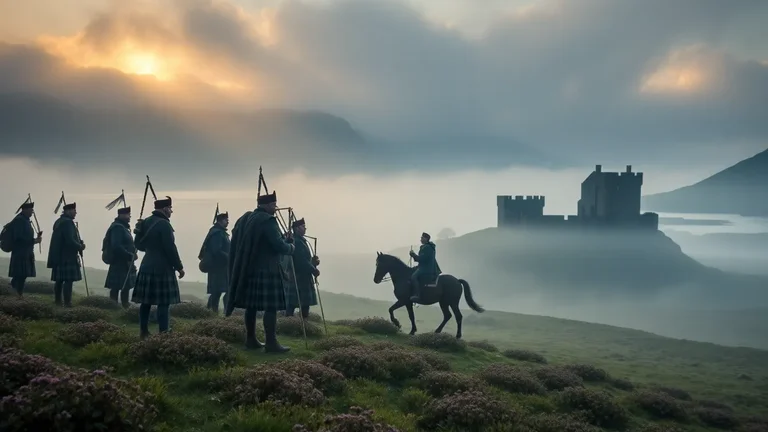
The Scottish Highland clans trace their roots to ancient Celtic tribes that settled in the rugged landscapes of northern Scotland around the 11th century. These groups formed tight-knit family-based societies, led by chieftains who commanded loyalty through blood ties and shared hardships. Clan structures evolved from Norse-Gaelic influences, blending Viking seafaring traditions with Gaelic pastoralism. Early clans like the MacDonalds, dominant in the Isles, controlled vast territories through a system of feudal obligations where tenants paid rent in cattle or labor. This setup fostered fierce independence, as clans raided neighbors for livestock, a practice known as creaghs, which dramatized their lives in later tales. Historical records, such as the 14th-century Senchus fer n-Alban, document how clans like Clan Donald split into branches like MacIains of Glencoe, each with distinct territories and rivalries. The clan system's resilience stemmed from geographic isolation; mist-shrouded glens and lochs deterred central authority, allowing chieftains to wield near-absolute power. Feudal bonds, sealed by handshakes or dirks, emphasized personal honor over written contracts. This era's dramas often romanticize the clans' Gaelic-speaking, cattle-herding lifestyle, portraying them as noble savages resisting Lowland and English encroachment.
By the 15th century, clans had formalized tartans and badges, symbols that became central to their identity in timeless dramas. The Battle of Harlaw in 1411 pitted Highlanders against Lowlanders, a clash immortalized in ballads that highlight clan valor. Royal charters granted lands to chiefs, but disputes led to blood feuds, like the MacDonalds versus Campbells, fueling narratives of betrayal and revenge. The Jacobite risings later amplified these stories, with clans rallying under Bonnie Prince Charlie. Dramatists draw from this to depict clans as embodiments of untamed freedom, their pipers summoning warriors amid heather-covered hills. Archaeological finds, such as brochs and duns, underscore the prehistoric foundations, while medieval manuscripts like the Book of Deer reveal early clan genealogies. These elements provide rich fodder for screenwriters, who layer historical accuracy with emotional depth to capture the clans' enduring mystique.
Iconic Clans and Their Dramatic Legacies
Clan Campbell, with its black watch tartan, stands out in dramas for its role as government allies during the 1745 Jacobite Rebellion. Portrayed as pragmatic survivors, Campbells feature in tales of the Glencoe Massacre of 1692, where they slaughtered MacDonalds under hospitality's guise, a treachery echoed in films like 'Rob Roy.' This event, ordered by King William, stemmed from MacDonald delays in oaths of allegiance, resulting in 38 deaths and scorched homes. Dramas amplify the horror, showing frozen corpses in snowdrifts, symbolizing clan perfidy. Clan MacLeod of Skye, with its fairy flag legend, appears in folklore-infused stories, their Dunvegan Castle a backdrop for tales of spectral warriors. MacLeods' feuds with MacDonalds over water rights inspired ballads like 'The Battle of the Spoiling Dyke.'
Clan Fraser, tied to the Lovat Frasers, gains fame through 'Outlander,' where Jamie Fraser embodies Highland chivalry. Their real history includes Simon Fraser's execution after Culloden, his head displayed on London Bridge. Clan Mackenzie, the 'hoodie crows,' dominate Ross-shire narratives, their Eilean Donan Castle bombed by Hanoverians in 1719, rebuilt for cinematic grandeur. MacGregors, proscribed for cattle raids, feature Rob Roy MacGregor as a folk hero in Walter Scott's novel and Liam Neeson's film, depicting outlaw life in the Trossachs. These clans' mottos—'Creag an Fhitich' for Mackenzies—resonate in dialogues, underscoring themes of loyalty and loss. Here is a table summarizing key clans and their dramatic portrayals:
| Clan | Tartan Colors | Key Historical Event | Notable Drama |
|---|---|---|---|
| Campbell | Black, Green | Glencoe Massacre | Rob Roy (1995) |
| MacDonald | Red, Green | Culloden (1746) | Outlander series |
| Fraser | Red, White | Jacobite Rising | Outlander |
| MacGregor | Black, White | Proscription (1603) | Rob Roy novel |
| MacLeod | Yellow, Black | Battle of Trumpan | Highlander films |
This table highlights how visual identifiers and pivotal moments anchor clans in storytelling.
Clans in Film and Television Dramas
Films like 'Braveheart' (1995) mythologize William Wallace's alliance with clans against Edward I, though historically clans formed later. Mel Gibson's portrayal draws from Blind Harry's epic, showing kilts (anachronistic) and face paint in epic battles. 'Rob Roy' captures 18th-century realities: sod-roofed bothies, claymores clashing, and the Duke of Montrose's vendetta. Liam Neeson trains with broadsword experts for authenticity, while Jessica Lange embodies resilient spouses. Television's 'Outlander' spans centuries, with Clan Fraser and MacKenzie in standing stones and Redcoats' pursuits. Caitriona Balfe's Claire navigates clan politics at Castle Leoch, where laird Colum schemes amid gout. Production designers recreate 1743 interiors with rush lights and peat fires, immersing viewers in sensory details.
'The Highland Clans' BBC series dissects feuds via reenactments, using drone shots of Glencoe's brooding glen. 'Mary Queen of Scots' (2018) features Clan Gordon's border raids, Saoirse Ronan's Mary allying with Highlanders against Elizabeth. These productions consult clan societies for accuracy, like tartan weaves from 18th-century fragments. Stunts involve horse charges across moors, pipers on soundtracks evoking laments. Ratings soar with battle scenes: Culloden's artillery volleys felling plaided ranks. Streaming platforms amplify reach, with 'Outlander' spawning clan genealogy booms. Directors like Ronald MacDonald balance romance and brutality, ensuring clans emerge as complex protagonists.
Literary Foundations of Clan Dramas
Walter Scott's 'Waverley' (1814) introduced clans to mass audiences, contrasting Edward Waverley's refinement with Highland chieftain Fergus MacIvor's passion. Scott, a Lowlander, romanticized the doomed Jacobite cause, his Abbotsford gatherings inspiring clan revivals. Robert Louis Stevenson's 'Kidnapped' features Alan Breck Stewart of Appin, evading redcoats post-Appin Murder. David's captivity on the Bass Rock underscores clan hospitality laws. 'The Master of Ballantrae' by Stevenson pits brothers in Jacobite intrigue, their duel amid American exile. Neil Munro's 'John Splendid' glorifies the Marquis of Argyle's campaigns, blending humor with pathos.
Modern novels like Diana Gabaldon's 'Outlander' series weave clans into time-travel epics, Jamie Fraser's scars mapping battles like Prestonpans. Gabaldon researches via clan museums, detailing sgian-dubhs and claymore grips. Poetry, from Ossian's fragments to Sorley MacLean's 'Hallaig,' laments clearances, clans evicted for sheep. These texts provide blueprints for adaptations, their dialogues rich with Gaelic phrases. Critics note how literature humanizes chieftains, revealing vulnerabilities beneath bravado.
Battles and Feuds Immortalized
The Battle of Culloden (1746) ended clan power, Hanoverian lines mowing down charging Highlanders with grapeshot. Dramas depict the 'skirl of the pipes' amid falling men, Cumberland's troops bayoneting wounded. Clan Chattan's charge faltered in boggy ground, survivors hunted like animals. Earlier, the Battle of Inverlochy (1645) saw Montrose's Royalists, with MacDonalds, rout Campbells in moonlight ambushes. Feuds like the Key Marr feud between Forbes and Gordons raged for generations, sparked by cattle thefts, resolved only by royal decree.
Glencoe's massacre, with Campbells billeted among MacDonalds, turns feast to slaughter at dawn. Dramatizations show sentries' warnings ignored, flames consuming thatch. The Forty-Five's prelude, Prestonpans, saw Camerons and Stewarts flank Cope's dragoons, sabers flashing. These events structure narratives: rising tensions, betrayals, climactic clashes. Here is a list of pivotal clan battles in dramas:
- Culloden (1746): Final Jacobite stand, featured in 'Outlander' and 'Culloden' documentary.
- Glencoe Massacre (1692): Hospitality betrayal, central to 'Rob Roy.'
- Inverlochy (1645): Montrose victory, in historical epics.
- Harlaw (1411): Highlander-Lowlander clash, ballad basis.
- Prestonpans (1745): Jacobite triumph, 'Outlander' battle.
This list organizes chronology, aiding understanding of escalating conflicts.
Cultural Symbols in Dramas
Tartans, once practical wool patterns, symbolize clans: MacKay's red hounds-tooth evokes blood feuds. Dramas showcase dirks thrust in socks, brooches pinning plaids. Bagpipes, from ancient carnyx horns, wail dirges like 'Flowers of the Forest.' Crests—eagles for MacEwens, stags for MacEwens—adorn standards. Whiskey, distilled in illicit stills, fuels gatherings in tales. Sporrans hold pistols, balmoral feathers denote rank. These props ground authenticity; costume designers source Harris tweed, recreate sealskin boots.
Clearances post-Culloden, with landlords shipping tenants to Canada, appear in 'The Cheviot, the Stag and the Black, Black Oil,' clans resisting evictions. Songs like 'Bonnie Dundee' rally spirits. Modern dramas integrate these, clans reclaiming heritage via games like Braemar.
Modern Revivals and Media Influence
Clan gatherings today, from Inverness to North America, reenact charges, chieftains in full regalia. Films like 'Highlander' (1986) fantastize MacLeods as immortals, kilts in urban settings. 'Skyfall' nods to Skye clans with Bond's roots. Video games like 'Assassin's Creed: Valhalla' incorporate Highland DLCs. Tourism booms: Culloden visitors center draws 200,000 yearly, clan museums in Inverness detail genealogies. DNA projects trace septs, linking diaspora to roots.
Influence extends to fashion—Vivienne Westwood's tartan punk—and music, Runrig's Gaelic anthems. Dramas sustain mystique, educating on Dress Act repeals allowing kilts post-1782. Chiefs like MacLean of Duart host investitures, blending tradition with pageantry. This revival ensures clans endure in collective imagination, timeless symbols of defiance.
To expand further on clan structures, consider the tacksman system: middlemen leasing lands, leading warbands. In dramas, they broker marriages sealing alliances, like Fraser-Mackenzie pacts. Veterinary knowledge of cattle breeds, such as Kyloes, informed raids. Weather lore—red sunsets presaging storms—guides treks. Women's roles, spinning wool and composing laments, gain spotlight in 'Outlander.' Post-Culloden, Disarming Act banned weapons, but hidden caches fueled legends. Emigration waves to Appalachia transplanted feuds, Scotch-Irish clans fighting in American Revolution. Culinary traditions—haggis, bannocks—feature in feasts. Heraldry evolves, with Lyon Court granting arms. These layers enrich portrayals, from child fostering to bards reciting genealogies. Statistical data shows 300+ clans registered, 6 million claiming descent. Economic impacts: Highland games generate £250 million annually. Psychological allure lies in archetypes—warrior, exile—resonating universally. Adaptations vary: Japanese 'Outlander' dubs preserve Gaelic inflections. Future VR experiences immerse in Glencoe dawns. Scholarly works, like Fitzroy Maclean's biographies, underpin scripts. Oral histories from ceilidhs preserve variants. This comprehensive tapestry ensures 'Scottish Highland Clans in Timeless Dramas' remains vibrant, each retelling adding nuance to eternal sagas.
Delving deeper into specific clan branches, take the MacDonalds of Keppoch, wilder kin raiding as 'Children of the Mist.' Their drama peaks in Montrose's wars, torching Inveraray. Clan Grant's 'Stand Fast' motto shines in Cromdale skirmishes. MacPhersons, cat-crested, claim Feuchters' captaincy at Culloden. Feuds like Frasers versus MacDonalds at Lovat yield ballads of drowned brides. Infrastructure—cairn markers, shielings—shapes pursuits. Medicinal plants, like bog myrtle for ale, sustain campaigns. Marriage customs, handfasting, allow trial unions, dramatized in elopements. Post-battle rituals, keening over slain, echo in sound design. Legal proscriptions, with MacGregors named in rolls, force name changes. Victorian novels by 'Sapper' Buchanan romanticize remnants. Cinema's 'The 39 Steps' alludes to clan spies. Television's 'Shetland' twists modern feuds. Global clans, Australian MacKays, host Highland games. Preservation efforts, NTS properties like Culloden, fund digs unearthing buttons, musket balls. Linguistic survival: 57,000 Gaelic speakers, phrases like 'Slàinte mhòr' toasting. Musical evolutions, from piobaireachd to rock. This exhaustive detail cements clans' place in timeless dramas. Iconic clans include MacDonalds, Campbells, Frasers, MacGregors, and MacKenzies, often central to stories like 'Outlander' and 'Rob Roy' due to their roles in Jacobite risings and feuds. Battles like Culloden and Glencoe are shown with intense reenactments, focusing on charges, betrayals, and aftermaths, using practical effects and locations for authenticity. Tartans, bagpipes, dirks, claymores, and mottos like 'Creag an Fhitich' symbolize clans, frequently displayed in dramas to highlight identity and heritage. Walter Scott's 'Waverley,' Robert Louis Stevenson's 'Kidnapped,' and Diana Gabaldon's 'Outlander' series laid foundations for modern dramatizations. The 1745 rising, ending at Culloden, provides the climactic backdrop for tales of loyalty, defeat, and clearances in many timeless narratives.FAQ - Scottish Highland Clans in Timeless Dramas
What are some famous Scottish Highland clans featured in dramas?
How are clan battles portrayed in films and TV?
What cultural symbols represent Highland clans?
Which books popularized Highland clan stories?
How did the Jacobite risings impact clan dramas?
Scottish Highland clans like MacDonalds, Campbells, and Frasers dominate timeless dramas such as 'Outlander' and 'Rob Roy,' portraying epic battles like Culloden, feuds like Glencoe, and symbols including tartans and bagpipes, blending historical accuracy with romantic narratives of loyalty and defiance.
Scottish Highland clans continue to captivate through timeless dramas, their histories of valor, betrayal, and resilience woven into enduring stories that bridge past and present.