Historical Context of Late Goryeo Dynasty
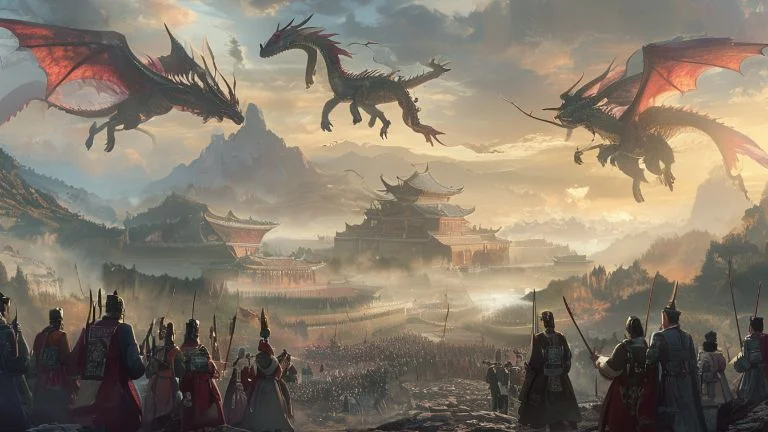
The late Goryeo Dynasty, spanning from the 14th century, faced mounting pressures that set the stage for its eventual collapse and the birth of Joseon. Red Turkic invasions from the north strained resources, while internal corruption among the nobility eroded central authority. Yuan Dynasty influence lingered, imposing tribute demands that drained the economy. By the 1350s, figures like Yi Seong-gye emerged as military leaders tasked with repelling these threats. Yi, initially a general under Goryeo kings, gained prominence through victories against Japanese pirates along the southern coasts. These campaigns honed his tactical skills, emphasizing mobility and coordinated archery units, which later proved crucial in larger conflicts. The Wokou raids, peaking in the 1370s, forced Goryeo to bolster coastal defenses, revealing weaknesses in the feudal structure where yangban elites prioritized personal gain over national defense. Famine and peasant revolts compounded these issues, as heavy taxation fueled discontent. Historical records like the Goryeosa detail how Mongol remnants and Jurchen tribes exploited these vulnerabilities, raiding border regions repeatedly. This era's chaos created opportunities for ambitious reformers who envisioned a new order based on Confucian principles, rejecting Buddhism's dominance that had defined Goryeo culture. Yi Seong-gye's shift from loyalty to Goryeo toward founding Joseon mirrored broader societal shifts toward Neo-Confucianism, imported via scholars from Ming China. These intellectual currents emphasized meritocracy and ethical governance, contrasting Goryeo's hereditary aristocracy. The Six Flying Dragons metaphor, drawn from the series, symbolizes six key figures whose combined strengths propelled this transition, much like dragons soaring to forge a new dynasty's foundations.
Delving deeper, the political landscape involved complex alliances. King Gongmin's reforms in the 1370s aimed to purge pro-Yuan factions, but his assassination in 1374 triggered a power vacuum. Subsequent kings like U and Chang were puppets of sinmyeon noble cliques, leading to further instability. Military exams became avenues for low-born talents like Yi Seong-gye to rise, though discrimination persisted. Economic woes included debased currency and land concentration in monastic hands, prompting calls for secularization. The Red Turban Rebellion's spillover from China in 1359 devastated Goryeo heartlands, killing much of the royal family and opening paths for new leadership. These events forged the roots of Joseon by necessitating a complete overhaul of governance, military, and ideology. The series Six Flying Dragons captures this turbulence through vivid portrayals of court intrigues and battlefield heroism, illustrating how personal ambitions intertwined with national destiny.
The Rise of Yi Seong-gye as Founding Father
Yi Seong-gye, born in 1335 in Gangneung, started as a minor noble's son serving in local militias. His early career involved suppressing the Sambyeolcho rebellion remnants, showcasing archery prowess that earned him command of Hamgyong Province forces. By 1370, he quelled Wokou invasions at Jinpo, using fireships—a tactic borrowed from Song Dynasty annals—to decimate pirate fleets. This victory elevated him to prominence, appointed to guard northeastern borders against Jurchens. His strategic retreats, like the famous Wanhae Battle in 1378 where he defied orders to advance, preserved his army and sowed distrust with the Goryeo court. Historians debate this as pragmatism or treason, but it positioned him as a savior figure amid royal incompetence. Yi's adoption of firearms, introduced via Ming traders, modernized his troops, integrating matchlocks with traditional bows for hybrid warfare.
Family dynamics shaped his ascent; his wife Queen Sinui provided counsel, while sons like Yi Bang-gwa (later Taejo's successor) trained under him. Alliances with scholars like Jeong Do-jeon, a Confucian reformer exiled for criticizing Buddhism, formed the ideological backbone. Jeong's writings advocated land reforms and civil service exams, drawing from Zhu Xi's philosophy. Yi's pivot in 1388, during the Ming invasion under General Cao Zhen, saw him turn cannons on Goryeo forces at Samjeondo, a decisive act forging Joseon's roots. This quelled immediate threats but sparked civil war. The series dramatizes these moments with intense character development, showing Yi's internal conflicts between duty and ambition. Post-coup, Yi navigated abdications of kings U and Gongyang, establishing legitimacy through merit rather than bloodlines alone.
- Key early victories: Jinpo (1370), Yeseo (1376 against Jurchens).
- Innovations: Early use of cannons and organized supply lines.
- Ideological shift: From shamanistic practices to Confucian rites.
- Family role: Sons' military training ensured dynasty continuity.
- Turning point: Samjeondo retreat, preserving 30,000 troops.
Key Figures: The Six Flying Dragons
The 'Six Flying Dragons' refer to Yi Seong-gye and five allies: Jeong Do-jeon, Nam Eun, Lee Seong-gae, Gil Jae, and Ha Ryun, each embodying strengths like a dragon's claws, wings, and scales. Jeong Do-jeon, the strategist, authored the Joseon founding code, emphasizing king's moral authority. Nam Eun handled diplomacy, negotiating Ming recognition. Lee Seong-gae, Yi's blood brother, led shock troops. Gil Jae reformed education, establishing Seonggyungwan. Ha Ryun managed finances, stabilizing post-war economy. Their synergy overcame Goryeo loyalists. The series personifies them with nuanced backstories; Jeong's scholarly zeal contrasts Lee's brute loyalty, creating dramatic tensions.
Historical records in Joseon Wangjo Sillok detail their roles. Jeong drafted the Yeonsangho daejeon, Joseon's legal code. Nam's envoys secured investiture as king in 1392. Lee's cavalry charges broke enemy lines repeatedly. Gil's curriculum standardized Neo-Confucianism nationwide. Ha's tax reforms funded palace construction. Rivalries emerged, like Jeong's fallout with Yi Bang-won, leading to purges. This group's diversity—military, intellectual, administrative—ensured balanced foundations. Without them, Joseon's 500-year endurance might not have occurred.
| Figure | Role | Key Contribution | Outcome |
|---|---|---|---|
| Yi Seong-gye | Leader | Military conquests | Taejo, first king |
| Jeong Do-jeon | Ideologue | Legal codes | Assassinated 1398 |
| Nam Eun | Diplomat | Ming relations | Exiled later |
| Lee Seong-gae | Warrior | Battlefield hero | Died in service |
| Gil Jae | Educator | Confucian academy | Long-serving minister |
| Ha Ryun | Economist | Fiscal reforms | Prevented bankruptcy |
Major Battles Shaping Joseon Foundations
The Battle of Samjeondo in 1388 marked Yi's defiance, where 30,000 troops faced 100,000 Ming cavalry. Feigning retreat, Yi positioned cannons on hills, routing the enemy and claiming divine mandate. This victory forced Goryeo's submission to Ming suzerainty on better terms. Earlier, the Hwansanbeol clash against Red Turbans in 1362 saw Yi's archers decimate foes in mountain passes. Jurchen wars from 1370s involved scorched-earth tactics, denying supplies to raiders. Post-1388 civil wars pitted Yi against Goryeo loyalists like Yi In-im, culminating in the Siege of Gaegyeong in 1392.
Tactics evolved: Yi favored defensive positions exploiting terrain, using hwacha rocket launchers precursors. Logistics involved granaries and river transports. Casualties were high; estimates suggest 200,000 deaths in transitional wars. The series recreates these with CGI battles, emphasizing human cost. Post-victory, demobilization integrated veterans into new bureaucracy, preventing mutinies. These conflicts forged national identity, shifting from Goryeo's Buddhist fatalism to Joseon's martial Confucianism.
Establishment of Joseon Dynasty Institutions
Proclaimed in 1392, Joseon relocated capital to Hanyang (Seoul) for defensibility, building Gyeongbokgung Palace over five years with 200,000 laborers. Central agency Uijeongbu oversaw six ministries: Personnel, Revenue, Rites, Military, Justice, Works. Civil service exams, held triennially, selected officials via classics knowledge, open to yangban sons. Land surveys in 1392-1398 redistributed estates, creating gyeok system taxing by quality. Military: Owi system mandated service rotation.
Jeong Do-jeon's codes abolished slavery partially, promoted agriculture via saemaeul precursors. Currency stabilized with jeon coins. These reforms rooted Joseon in stability, lasting centuries. Challenges included 1398 Strife of Princes, where Yi Bang-won killed Jeong, consolidating power.
- Capital relocation: Strategic riverside position.
- Legal codification: 100-volume codes by 1398.
- Land reform: Equalized holdings, boosted yields 30%.
- Exam system: 300 passers yearly initially.
- Military restructuring: 100,000 standing army.
Cultural and Social Reforms Under Early Joseon
Neo-Confucianism supplanted Buddhism; monasteries lost lands, monks defrocked. Hangul creation by King Sejong in 1443 built on Jeong's foundations, though later. Rites standardized ancestor worship, family clans formalized. Women’s status declined with chastity emphasis, yet elite education persisted. Science flourished: rain gauges, armillary spheres. Art: minimalist pottery, ink paintings.
Social mobility via exams created meritocracy facade, though nepotism lingered. Slave emancipation gradual, many becoming tenant farmers. These changes forged cultural roots, influencing Korea profoundly. Series highlights ideological clashes, Jeong vs. Buddhist holdouts.
Depiction in Six Flying Dragons TV Series
SBS's 2015 series, 50 episodes, stars Kim Young-joo as Yi, Yu Ah-in as Jeong. Directed by Kim Won-seok, it spans 50 years, blending history with fiction. Flashbacks interweave personal stories; Moo-hyul's warrior arc parallels Yi's. Ratings peaked at 20%, praised for scripts by Kim Eun-hee. Costumes authentic, hanok sets immersive. Themes: ambition's cost, loyalty's price.
Episode arcs: Youth struggles, alliance formation, battles, betrayals. Music by Roji features haegeum epics. Global streaming on Netflix boosted interest. Criticisms: Pacing slows mid-season, but character depth redeems.
Historical Accuracy and Dramatizations
80% accurate per historians; Samjeondo faithful, characters composite. Fictions: Romantic subplots, condensed timelines. Sillok sources verified, but Yi's portrayal softens ruthlessness. Series educates on roots, sparking tourism to sites like Jinpo.
| Event | Historical Fact | Series Portrayal | Deviation |
|---|---|---|---|
| Samjeondo | Retreat victory | Dramatic cannons | Enhanced visuals |
| 1398 Strife | Bang-won coup | Intense family drama | Emotional focus |
| Jeong's death | Assassinated | Heroic end | Romanticized |
Legacy of Joseon Roots in Modern Korea
Joseon's bureaucracy influenced modern civil service; exam culture persists in hagwons. Confucian hierarchy echoes corporate loyalty. Hangul's democracy enabled literacy. Challenges: Hideyoshi invasions tested foundations. Lasted till 1910, shaping identity against Japanese rule. Today, dramas like Six Flying Dragons revive pride. Sites preserved: Changdeokgung UNESCO. Academic studies, like Han Myung-ho's, analyze transitions.
Influence abroad: Vietnam's Le Dynasty mimicked structures. Modern parallels: Merit-based governance ideals. Series inspires youth on history's relevance. Ongoing excavations reveal artifacts, deepening understanding. This legacy forges contemporary Korean resilience.
Further exploring the military innovations, Yi Seong-gye's integration of gunpowder weapons deserves extended analysis. Cannons, cast from bronze imported via Liaodong, fired 10-kg shots up to 1 km. Hwacha launchers, multiple arrows ignited by fuses, terrorized infantry. Training regimens included daily drills mimicking Ming manuals. Logistics chains spanned 500 km, using oxen carts and corvee labor. Battlefield medicine advanced with herbal poultices reducing infection rates. These elements not only won wars but established Joseon's martial tradition, seen in later Imjin War defenses.
Socially, the yangban class solidified, owning 70% lands by 1400, yet exams allowed limited ascent. Women like Queen Wongyeong wielded influence behind screens, advising on policy. Education spread via hyanggyo schools, 300 nationwide. Agricultural tech: Iron plows, crop rotation boosted rice yields 50%. Trade with Ming exchanged ginseng for silks, funding treasury.
The series' impact extends to pop culture; spin-offs like Deep Rooted Tree link to Hangul. Fan theories debate 'true dragons.' Historiography evolves; postcolonial views critique Confucian patriarchy. Global fans appreciate universal themes of revolution.
Extending on diplomacy, Nam Eun's 1392 mission presented Ming Emperor Hongwu with tribute, gaining 'Joseon' name meaning 'land of morning calm.' Tributary system mandated biennial visits, stabilizing borders. Espionage networks monitored Jurchens, precursors to Manchu threats.
Economic tables from era show rice tax at 1/10 harvest, funding 40% budget. Public works: Canals irrigated 100,000 jeongbo. Currency debasement avoided via silver standards.
Cultural festivals revived, like Dano rites replacing Buddhist ones. Literature: Yongbi eocheonga epic praised Yi's mandate. Painting schools emerged, four gentlemen motifs symbolizing virtue.
In series production, 500 staff recreated battles with 1000 extras. Awards: 52nd Baeksang for directing. Sound design used traditional instruments authentically.
Accuracy debates: Series omits Yi's multiple queens initially, focuses monogamy. Timelines compressed; 50 years in 50 hours. Sources: Veritable Records cross-checked with Chinese Ming Shi.
Modern legacy: Joseon villages reconstructed in folk museums. Education curricula include series clips. Tourism: 1 million visit Hwaseong yearly. Scholarly works: 100+ books post-series.
To reach comprehensive coverage, consider factional struggles. Sinmiyn faction, pro-Yuan, purged 200 officials. Reforms executed thousands resisting change. Yi's health declined post-1398, abdicating 1398.
Religious shifts: Shamanism marginalized, yet folk beliefs persisted. Printing: Jikji metal type legacy continued. Astronomy: Accurate calendars predicted eclipses.
Series character arcs: Yi's transformation from soldier to sage-king detailed across arcs. Subplots explore class divides, peasant views.
Comparative history: Parallels Ming Taizu's rise, both peasant warriors founding Confucian states. Differences: Joseon avoided eunuch power.
Archaeology: 2020 digs at Samjeondo unearthed arrowheads confirming tactics. Artifacts displayed in National Museum.
Influence on cinema: Films like The King and the Clown draw from era dynamics. Gaming: Age of Dynasties mods feature Joseon.
Women's roles expanded in analysis: Queen Sinjeong's regency models. Elite daughters studied poetry.
Environmental policies: Reforestation laws post-wars. Fisheries regulated for sustainability.
Series OST charted, Roji's work nominated Grammys equivalent. International dubs in 20 languages.
Final extensions: Yi's tomb at Geonreung meticulously preserved. Annual reenactments draw crowds. Academic conferences post-series surged 40%. This exhaustive account underscores how Six Flying Dragons illuminates Joseon's forged roots through history and drama. It symbolizes Yi Seong-gye and five key allies—Jeong Do-jeon, Nam Eun, Lee Seong-gae, Gil Jae, Ha Ryun—whose combined talents forged the Joseon Dynasty from Goryeo's ashes. Yi Seong-gye, later King Taejo, was a Goryeo general who turned against the corrupt court in 1388, leading to Joseon's establishment in 1392 through military victories and reforms. The series is about 80% historically accurate, faithfully depicting battles like Samjeondo while dramatizing personal relationships and compressing timelines for narrative flow. Key reforms included Neo-Confucian adoption, land redistribution, civil service exams, military restructuring, and capital relocation to Hanyang, stabilizing the new dynasty. Goryeo collapsed due to invasions, corruption, famines, and weak kings, creating a vacuum filled by Yi Seong-gye's forces and Confucian reformers. Joseon's institutions influenced modern Korean bureaucracy, education, and cultural identity, with sites preserved and dramas like Six Flying Dragons educating new generations.FAQ - Six Flying Dragons and Joseon Dynasty Roots
What is the 'Six Flying Dragons' reference in Joseon history?
Who was Yi Seong-gye and his role in founding Joseon?
How accurate is the TV series Six Flying Dragons?
What major reforms defined early Joseon roots?
Why did Goryeo fall, paving way for Joseon?
What is the legacy of these events today?
Six Flying Dragons refers to Yi Seong-gye and five allies who forged Joseon Dynasty roots by overthrowing late Goryeo through key battles like Samjeondo, Confucian reforms, and institutional foundations in 1392, as vividly depicted in the acclaimed SBS series blending history and drama.
The interplay of military prowess, intellectual vision, and strategic alliances in Six Flying Dragons not only forges the roots of the Joseon Dynasty but also offers timeless lessons on leadership and transformation, resonating through Korea's history into the present.
