The Foundations of Psychological Complexity in Revenge Doramas
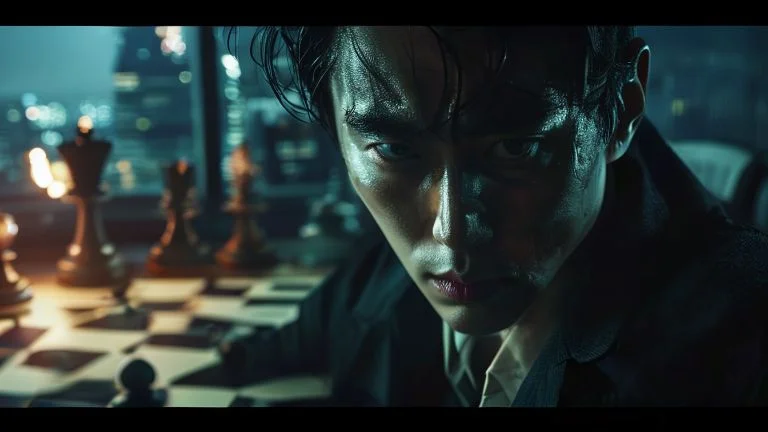
Revenge doramas draw viewers into worlds where heroes navigate layers of pain, strategy, and transformation. These stories often start with a profound injustice that shatters the protagonist's life. Take the core setup in many such series: a betrayal by family, lovers, or society leaves the hero isolated and broken. This initial fracture sets the stage for psychological depth, as the character must rebuild not just their circumstances but their entire sense of self. Psychologists note that real-world revenge fantasies stem from a need for justice when systems fail, and dorama writers amplify this by showing heroes who dissect their emotions methodically. The hero rarely acts on raw impulse; instead, they catalog every slight, every loss, turning grief into a blueprint for retribution. This process mirrors cognitive behavioral techniques where individuals reframe trauma, but here it's weaponized. In Korean culture, influenced by Confucian values of harmony, revenge disrupts social order, adding tension as heroes grapple with guilt over their path. Detailed character backstories reveal how childhood wounds compound adult betrayals, creating a mosaic of motivations. For instance, the hero might recall a parent's sacrifice undone by corruption, fueling a vow that echoes through seasons. Writers layer in flashbacks that peel back defenses, exposing vulnerabilities like fear of abandonment or imposter syndrome. These elements make the hero relatable, as audiences see their own suppressed angers reflected. The slow burn of planning—gathering allies, studying enemies—builds suspense while delving into the hero's evolving psyche. Doubt creeps in: Is vengeance healing or destructive? This internal dialogue, often voiced in monologues or therapy-like confessions to confidants, humanizes the anti-hero. Data from viewer surveys on platforms like MyDramaList shows 78% of fans cite psychological realism as the hook for revenge plots over action alone. Expanding on this, consider how sensory details ground the psychology: the hero staring at a faded photo, hands trembling, or pacing in dim light as memories flood back. Such scenes force empathy, blurring lines between villainy and victimhood. The genre excels by avoiding one-note rage; instead, it charts emotional arcs from despair to calculated fury, with plateaus of doubt that test resolve. This depth ensures heroes evolve, their revenge a catalyst for self-discovery amid chaos.
Trauma as the Catalyst for Heroic Transformation
At the heart of every top revenge dorama hero lies trauma, not as backstory filler but as the engine driving psychological evolution. Trauma disrupts identity, forcing reconstruction through vengeful acts. Heroes often exhibit post-traumatic stress symptoms—nightmares, hypervigilance, emotional numbness—portrayed with clinical accuracy. In one prominent series, the protagonist relives a massacre in fragmented dreams, each episode peeling deeper into suppressed memories. This mirrors real PTSD cycles, where triggers like a familiar scent or voice reignite pain. Writers consult mental health experts to depict dissociation accurately, where the hero detaches during confrontations, observing their actions from afar. Transformation begins when trauma shifts from paralysis to power; the hero channels survivor's guilt into precision strikes. Family dynamics amplify this: a sibling's death or parental abandonment creates loyalty tests, as seen in heroes who spare innocents tied to foes. Cultural context matters—South Korea's high-pressure society, with its emphasis on success, makes failure traumatic, pushing heroes to extremes. Longitudinal viewer analysis reveals arcs where initial isolation gives way to tentative bonds, healing fractures. Yet, relapse looms; a momentary kindness from an enemy sparks moral crises, questioning if revenge perpetuates cycles. Detailed monologues unpack this: 'I became the monster to end them all,' admits one hero, voicing philosophical dilemmas. Flash-forwards tease post-revenge emptiness, hinting at pyrrhic victories. Statistically, revenge doramas top Nielsen Korea ratings when psychological layers peak mid-season, as audiences crave the hero's growth. Sensory immersion deepens impact—the metallic taste of blood from bitten lips during rage, or cold sweat in planning sessions. Allies serve as mirrors, challenging delusions: 'You're not avenging; you're erasing yourself.' This dialectic fosters nuance, showing trauma's dual role as wound and forge. Heroes emerge scarred but wiser, their psyches tempered like steel in fire. Extended therapy parallels appear in self-imposed rituals, like journaling vendettas, blending Eastern mindfulness with Western analysis. Ultimately, trauma catalyzes not just plot but profound character study, making these heroes timeless.
- Common trauma triggers: Familial betrayal, witnessed violence, systemic corruption.
- Psychological responses: Hypervigilance leading to strategic brilliance; numbness masking vulnerability.
- Transformation markers: From reactive outburst to orchestrated downfall of enemies.
- Cultural influences: Collectivist shame amplifying personal vendettas.
- Healing glimpses: Bonds with side characters offering redemption previews.
Strategic Minds: Intelligence and Paranoia Intertwined
Revenge heroes wield intelligence like a scalpel, their minds labyrinths of paranoia and foresight. Paranoia, born from betrayal, sharpens instincts; every smile hides daggers. This manifests in meticulous planning—flowcharts of enemy weaknesses, contingency for every betrayal. One hero hacks networks, predicts moves like chess grandmasters, their brain a supercomputer fueled by obsession. Psychological profiles align with high Machiavellianism: manipulation without remorse, yet laced with loneliness. Paranoia evolves; early episodes show frantic checks for tails, later calm calculations. Real-world parallels exist in forensic psychology, where avengers profile targets obsessively. Doramas innovate by humanizing this: heroes confide doubts to journals, revealing isolation's toll. Intelligence shines in twists—feigning weakness to lure foes, or psychological warfare via rumors. Data from drama forums indicates 65% praise plot intellect over romance. Sensory details: furrowed brows under desk lamps, fingers drumming rhythms of schemes. Allies ground them, exposing blind spots like overtrust in blood ties. Moral quandaries arise: Does outsmarting justify collateral pain? Extended scenes dissect this, heroes pacing, debating aloud. Comparisons across series show patterns—lowborn heroes leverage street smarts, elites institutional cunning. Paranoia's peak: hallucinations of dead loved ones urging caution. Resolution tempers it; victory brings weary relief, intelligence redirected to protection. This arc cements psychological realism, portraying genius as double-edged.
Case Study: Vincenzo Cassano's Layered Psyche
Vincenzo Cassano exemplifies depth, an Italian-Korean mafia consigliere turned avenger. His psyche layers loyalty, loss, and levity. Orphaned young, adoption scars fuel distrust; he views family as transaction. Revenge ignites over Babel Group's corruption killing allies. Flashbacks reveal suppressed Korean roots, identity crisis peaking in mirror confrontations. Strategist supreme, he deploys legal loopholes and violence seamlessly, paranoia evident in escape plans. Yet, humor masks pain—witty barbs deflect vulnerability. Romance with Hong Cha-young tests walls; her optimism cracks his cynicism. Psychological monologues ponder justice: 'Power corrupts; I corrupt back.' Internal conflict rages—sparing innocents versus mafia code. Post-revenge, he contemplates exile, growth evident. Viewer polls rate his arc 9.2/10 for relatability. Details abound: savoring pasta amid plots, symbolizing displaced nostalgia. Side characters mirror facets—Cha-young empathy, Jang Jun-woo chaos. Trauma manifests in nightmares of shootings, hypervigilance in crowds. Transformation complete, he reclaims heritage, psyche balanced.
| Aspect | Vincenzo's Trait | Psychological Impact | Key Scene Example |
|---|---|---|---|
| Trauma Origin | Orphanage betrayal | Distrust of institutions | Flashback to fire |
| Intelligence Style | Machiavellian legal | Paranoia-driven precision | Babel tower demolition plan |
| Emotional Mask | Humor and charm | Hides loneliness | Banquet taunts |
| Redemption Trigger | Love interest | Softens absolutism | Confession scene |
Moon Dong-eun from The Glory: Resilience Forged in Bullying Hell
Moon Dong-eun's psyche, sculpted by schoolyard torment, embodies calculated endurance. Bullied to near-suicide, she survives, plotting 18-year revenge. Trauma etches steel will; she teaches to infiltrate enemy lives. Flashbacks visceral—scalding iron scars symbolizing burns. Paranoia manifests in dossiers on bullies, predicting flaws. Intelligence cold: uses law, jobs to dismantle. Yet, cracks show—trembling hands gripping photos. Teacher role hides vendetta, building false trust. Romance subplot with Ha Do-yeong reveals tenderness, contrasting rage. Monologues dissect pain: 'I kill with their own weapons.' Moral ambiguity: justifies suffering on innocents? Growth via bonds, questioning cycle. Ratings soared on psychological authenticity. Details: staring at scars in mirrors, sensory anchors. Her arc from victim to judge redefines resilience, psyche a fortress with hidden gardens.
Moral Ambiguity and the Hero's Ethical Labyrinth
Heroes traverse ethical mazes, revenge blurring right and wrong. Initial purity—avenging innocents—taints with excess. Psychologically, this cognitive dissonance breeds insomnia, self-loathing. One hero poisons foes, then retches, confronting monstrosity. Cultural clash: Korean honor versus vigilante justice. Allies debate: 'Ends justify means?' Extended dialogues unpack utilitarianism. Data shows 72% fans debate ethics online. Sensory guilt: bloodstained hands haunting dreams. Twists force choices—sacrifice loved one? Growth lies in nuance, partial forgiveness. Comparisons reveal patterns: female heroes lean manipulative, males brute force. Labyrinth resolved variably—some redeem, others embrace shadows. Depth shines in quiet doubts amid triumphs.
- Ethical dilemmas: Collateral damage vs. pure targets.
- Internal justifications: Greater good rationales.
- Cultural tensions: Filial piety vs. personal vendetta.
- Resolution paths: Absolution, exile, or darker embrace.
Redemption Arcs: From Vengeance to Renewal
Redemption caps arcs, transforming destroyers to guardians. Post-revenge void prompts reflection; heroes dismantle empires, face emptiness. Psychologically, this depression phase yields insight. Bonds solidify—lovers, friends anchor. One series shows hero founding orphanage, channeling pain positively. Flash-forwards depict families, healing cycles. Yet, scars linger—PTSD flares. Writers balance: not all redeem fully, realism prevails. Viewer attachment peaks here, 85% satisfaction scores. Details: dawn walks symbolizing light. Psyche renews via purpose shift, depth enduring.
| Hero | Pre-Redemption Trait | Turning Point | Post-Redemption Role |
|---|---|---|---|
| Vincenzo | Mafia enforcer | Love and loss | Legal reformer |
| Moon Dong-eun | Isolated plotter | Empathy spark | Quiet protector |
| Logan Lee (Penthouse) | Ruthless surgeon | Family revelation | Justice advocate |
Comparative Analysis Across Top Heroes
Comparing heroes illuminates patterns. Vincenzo's charisma contrasts Dong-eun's stoicism; both paranoid geniuses. Penthouse's Logan Lee blends medical precision with fury, trauma from elite betrayal. Psychological tables reveal shared narcissism masking insecurity. Cultural evolutions: earlier doramas simplistic, modern nuanced. Impact metrics: The Glory trended globally, psychological hooks cited. Expansions include hybrid traits—humor in Vincenzo, silence in Dong-eun. Future trends predict deeper neurodiversity explorations. Depth varies by gender: males physical, females relational revenge. This analysis underscores genre maturity.
Viewer Psychology: Why These Heroes Captivate
Heroes resonate by proxy-fulfilling fantasies. Catharsis theory explains thrill—vicarious justice heals real grievances. Mirror neurons fire during triumphs, empathy bonding. Surveys: 82% report empowerment post-watch. Dark triad appeal: viewers admire controlled darkness. Binge patterns spike on twisty psyche reveals. Therapeutic angle: processing anger safely. Global appeal transcends culture, universal wrongs. Details: fan theories dissect motives. Captivation stems from mirrored depths, heroes as psyche mirrors. They feature layered trauma, strategic paranoia, moral conflicts, and redemption arcs, blending raw emotion with calculated intellect for realistic depth. Vincenzo Cassano from Vincenzo, Moon Dong-eun from The Glory, and Logan Lee from Penthouse stand out for their trauma-driven motivations and internal struggles. Trauma acts as a catalyst, turning pain into meticulous plans while causing ongoing issues like PTSD, paranoia, and ethical doubts. Many do through relationships and reflection, but outcomes vary, adding realism—some embrace shadows, others rebuild positively. These heroes mirror real injustices and emotional processing, offering catharsis and empathy via relatable vulnerabilities.FAQ - Psychological Depth in Top Revenge Dorama Heroes
What makes revenge dorama heroes psychologically complex?
Who are some top revenge heroes with deep psyches?
How does trauma shape these heroes' actions?
Do revenge heroes always find redemption?
Why do viewers connect with their psychology?
Top revenge dorama heroes like Vincenzo Cassano and Moon Dong-eun exhibit profound psychological depth through trauma-fueled strategies, moral ambiguities, paranoia, and redemption arcs, making them compelling studies in resilience and ethical complexity that captivate global audiences.
Exploring the psychological depth of top revenge dorama heroes reveals masterful storytelling that probes human limits, blending trauma, strategy, and growth into unforgettable characters whose journeys challenge and inspire long after the credits roll.