The Social Context of Victorian Scandals
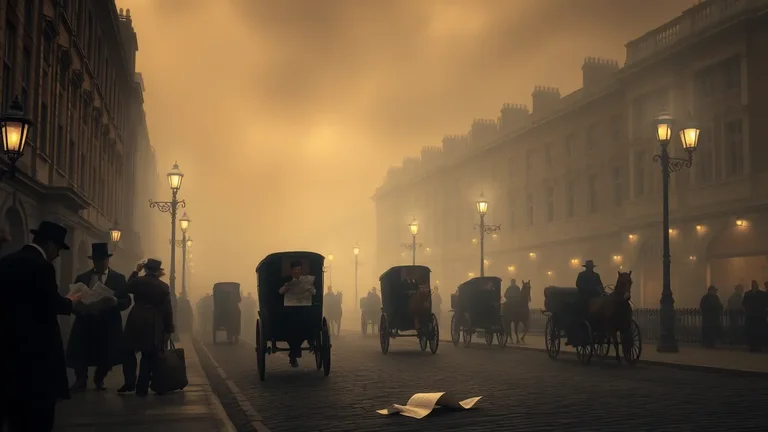
Victorian England, spanning from 1837 to 1901 under Queen Victoria's reign, presented a society rigid with moral codes and class structures. Public virtue stood as a cornerstone, yet beneath the surface bubbled scandals that exposed hypocrisies. These events often involved the elite—aristocrats, politicians, and celebrities—whose indiscretions threatened the era's facade of respectability. Historical sagas, those sprawling narratives in literature capturing epochs through fictional lenses, frequently weave these scandals into their plots to highlight tensions between private desires and public duties. Authors drew from real events to craft tales of downfall, redemption, or satire, making scandals pivotal plot devices. For instance, the press, though censored by laws like the Obscene Publications Act of 1857, sensationalized stories through innuendo, fueling public fascination. This duality—repression versus revelation—forms the backbone of many sagas, where characters mirror historical figures entangled in moral quagmires. Detailed accounts reveal how scandals eroded trust in institutions, from monarchy to judiciary, prompting sagas to explore themes of corruption and justice. Consider the era's divorce laws, which required parliamentary acts until 1857, turning marital betrayals into spectacles. Sagas amplify these, portraying drawn-out trials as climactic confrontations. Economic shifts, like industrialization, amplified scandals by juxtaposing wealth disparities; a lord's affair with a servant girl symbolized broader societal fractures. In literature, such as in George Meredith's works, scandals serve as metaphors for evolving social norms. Historians note over 200 major scandals documented in newspapers like The Times, each dissected in sagas for dramatic effect. These narratives not only recount facts but analyze psychological impacts, showing how shame isolated individuals while galvanizing reformers. The interplay of gender roles intensified matters; women's scandals drew harsher judgments, often ending in ostracism, a trope sagas exploit for tragic arcs. Men's indiscretions, tied to power, faced political repercussions, influencing sagas' political intrigue subplots. Religious fervor, with evangelical movements, condemned vice, yet clerical scandals undermined piety, providing sagas with ironic twists. Medical views on sexuality, influenced by figures like Richard von Krafft-Ebing, pathologized behaviors, which sagas critique through character studies. Overall, this context enriches sagas, turning history into cautionary tales.
Delving deeper, the role of technology in scandal dissemination merits attention. The telegraph and railways sped news across the empire, turning local affairs into national obsessions. Sagas depict frantic telegrams and train chases as tension builders. Photography emerged, capturing incriminating images, though rare, adding authenticity to fictional accounts. Class dynamics played crucial roles; working-class scandals rarely reached print unless involving elites, biasing saga portrayals toward upper echelons. This selectivity critiques inequality in narratives. Legal frameworks, like the Criminal Law Amendment Act of 1885 raising age of consent, stemmed from scandals, retroactively shaping saga interpretations. Authors researched court transcripts, weaving verbatim dialogues for realism. Psychological depth arises from era-specific concepts like 'nerves' explaining erratic behavior, integrated into character motivations. Economic scandals intertwined with personal ones, as in railway frauds linked to adulteries, broadening saga scopes. International echoes, with empire-wide reporting, globalized local shames, influencing colonial-themed sagas. These elements collectively forge sagas' immersive quality, blending fact with fiction seamlessly.
Cleveland Street Scandal: Homosexuality and Elite Networks
The Cleveland Street scandal of 1889 stands as a landmark exposure of a male brothel at 19 Cleveland Street, London, patronized by aristocrats and possibly royalty. Raided by police, it implicated Lord Arthur Somerset, equerry to the Prince of Wales, and actor Henry Labouchere's nephew. Evidence pointed to telegrams and witness testimonies from rent boys like Charles Hammond. The government's cover-up, with Director of Public Prosecutions Sir Augustus Stephenson suppressing files, fueled conspiracy theories involving Prince Albert Victor, rumored as 'Jack the Ripper' in fringe sagas. Historical sagas portray this as a web of corruption, with characters navigating blackmail and police corruption. Ernest Parke, a telegraph boy, published details in the North London Press, leading to his imprisonment for contempt, a plot point in many novels emphasizing press freedom struggles. The scandal highlighted Labouchere Amendment's harsh penalties for 'gross indecency,' contrasting with elite impunity. In sagas like those inspired by Michael Cobb's accounts, protagonists uncover similar rings, facing societal backlash. Details include the brothel's opulent fittings, funded by high fees, symbolizing decadence. Witnesses described masked clients, adding mystery sagas exploit. Political fallout saw Somerset flee to India, while Henry James alluded to it in letters, influencing literary discretion. Sagas expand on personal tolls: ruined careers, suicides like that of broker Harry Poland. Medical examinations pathologized participants, a theme sagas critique through redemptive arcs. Comparisons to ancient scandals, like those in Suetonius, underscore timeless vices. The event spurred vigilance committees, monitored in sagas as moral watchdogs turning tyrannical. Archival letters reveal frantic cover-ups, dramatized in dialogue-heavy scenes. This scandal's legacy endures in sagas questioning justice equality.
Further examination reveals international dimensions; American press like the New York Times covered it extensively, inspiring transatlantic sagas. Fictional parallels appear in Arthur Conan Doyle's Sherlock Holmes stories, with coded references to vice dens. Economic aspects involved protection rackets, integrated into saga underworlds. Gender fluidity hints, with cross-dressing reports, add layers to character complexities. Post-scandal reforms, like increased police funding, alter saga settings post-1890. Detailed timelines show July raid to December trials, paced for suspense in narratives. Victim testimonies, often coerced, humanize brothel boys in empathetic sagas. Elite clubs like the Marlborough House hosted similar activities, extrapolated in plots. Hypocrisy peaked with MPs condemning what they indulged, satirized relentlessly. This depth ensures sagas remain relevant, mirroring modern privacy debates.
Tranby Croft Affair: Gambling and Royal Involvement
In 1890, Tranby Croft near Hull hosted a baccarat game implicating Sir William Gordon-Cumming, accused of cheating against the Prince of Wales, later Edward VII. Daisy Greville, Countess of Warwick, and others signed a confession, leading to a libel trial where Cumming sued. The Prince testified, a rarity drawing crowds. Court revealed marked cards and sleight-of-hand claims, though Cumming denied, resulting in his ruin via gentlemen's agreement blacklisting. Sagas depict this as class warfare, with royals wielding untouchable power. Arthur Wilson, host, faced social fallout for allowing play. Press frenzy, with Pall Mall Gazette sketches, visualized drama sagas recreate. Financial stakes—thousands of pounds—underscore gambling's allure amid economic booms. The trial's 14-day duration, with 300 witnesses, provides saga material for ensemble casts. Judge's ruling favored accusers, banning baccarat clubs temporarily. In literature, like Julian Fellows' inspirations, characters gamble fortunes on royal whims. Psychological profiles show addiction's grip, with Cumming's exile to India as tragic coda. Comparisons to earlier scandals like 1870's Badminton baccarat highlight patterns. Royal favoritism evident in dropped charges against others. Sagas use this to explore loyalty versus truth dilemmas.
| Key Figure | Role | Outcome |
|---|---|---|
| Sir William Gordon-Cumming | Accused Cheater | Social Ruin, Exile |
| Prince of Wales | Player and Witness | Reputation Strain |
| Daisy Greville | Accuser | Social Ascension |
| Arthur Wilson | Host | Family Embarrassment |
Expanding, the scandal's media impact revolutionized reporting; illustrated weeklies sold out, boosting circulation sagas note as press power shifts. Legal precedents on libel influenced future cases. Cumming's later ventures, like California ranching, add redemption quests to sagas. Royal finances, strained by habits, contextualize motivations. Women's roles, observant yet complicit, challenge stereotypes in narratives. Post-trial, anti-gambling leagues formed, moral backlashes sagas portray as puritan excesses. Detailed card mechanics, explained in court, enable authentic recreations. This event crystallized fin-de-siècle anxieties about decline.
Oscar Wilde Trials: Decadence and Persecution
Oscar Wilde's 1895 trials for gross indecency with Lord Alfred Douglas epitomize scandal's destructive force. Stemming from Queensberry's libel suit over 'posing as sodomite,' Wilde countersued, unleashing hotel bills, letters, and witness testimonies exposing homosexual acts. Justice Charles Wills' rulings led to two convictions, two years hard labor breaking Wilde physically. The Marquess of Queensberry's card sparked it, highlighting family feuds. Sagas frame this as artistic genius versus Philistine society clash. Robbie Ross and others testified, while Frank Harris defended publicly. Ballad 'The Ballad of Reading Gaol' later immortalized plight. Court transcripts, rich in Wilde's wit, furnish dialogue gold. Public auctions of his possessions symbolized fall. Exile to France followed release, dying in poverty. Influences like Walter Pater's aesthetics contextualize decadence sagas explore. Labouchere laws' enforcement disparities—poor prosecuted, rich escaped—critiqued in plots.
- Key Testimonies: Hotel porters detailing assignations.
- Evidence Types: Love letters, carnation symbolism.
- Social Ramifications: Society's boycott of Wilde's works.
- Literary Echoes: Appearances in Evelyn Waugh's satires.
- Reform Sparks: Decriminalization debates post-WWI.
Deeper layers include Irish identity's role, with Parnell parallels. Medical experts debated 'uranism,' influencing character pathologies in sagas. Theatrical ties, with 'Salome' bans, add cultural suppression arcs. Post-trial memoirs by Douglas fueled ongoing scandals. International tours banned Wilde, globalizing infamy. Psychological toll, insanity claims, humanizes in empathetic narratives. This saga's endurance stems from universal themes of love versus law.
Divorce and Adultery Scandals: Athelstan and Dillane Cases
Pre-1857, divorces needed Acts of Parliament, turning cases like Caroline Norton's into spectacles. Post-Matrimonial Causes Act, Dillane v Dillane in 1880s highlighted servant mistresses. Athelstan case involved naval officer's wife with captain, detailed in private letters leaked. Sagas use these for domestic intrigue, exploring jealousy and revenge. Courts demanded proofs like hotel registers, dramatized in climactic scenes. Women's limited rights amplified tragedies; custody losses common. Statistics show 324 parliamentary divorces 1800-1857, mostly male petitioners. In sagas, characters navigate Citots exams, adding procedural tension. Mordaunt divorce 1870 implicated Prince of Wales again, with chloroform claims. These events spurred feminist critiques in literature.
Nuances include colonial divorces, faster via local courts, contrasting metropole delays. Economic dependencies trapped women, plot drivers. Sensational novels by Ouida mirrored real cases. Legal evolutions, like 1923 equalization, referenced retrospectively. Witness coaching scandals add meta-layers. Personal diaries reveal emotional devastations sagas amplify.
Political Scandals: Parnell and O'Shea Divorce
Charles Stewart Parnell's 1890 downfall via Kitty O'Shea's divorce from Captain O'Shea exposed decade-long affair. Forged letters and hotel stays proved adultery, with Parnell's leadership collapsing amid Catholic League boycotts. 'Times' forged Parnell-Zeichmell forgeries earlier damaged him. Sagas portray as nationalist dream shattered by personal vice. Special Commission cleared forgeries but timing killed career. O'Shea's greed, delaying petition, adds betrayal. Irish Home Rule stalled, political realignments followed. In literature, like Joyce influences, characters embody divided loyalties.
| Scandal | Key Players | Political Impact | Literary Depictions |
|---|---|---|---|
| Parnell-O'Shea | Parnell, Kitty O'Shea | Home Rule Defeat | Nationalist Tragedies |
| Cleveland Street | Somerset, Parke | Government Cover-up | Elite Conspiracy |
| Tranby Croft | Gordon-Cumming, Prince | Royal Scrutiny | Gambling Intrigue |
Media role pivotal; 'United Ireland' defended, splitting press. Religious divides intensified. Parnell's defiance speeches saga monologues. Legacy in partition debates.
Depictions in Historical Sagas: Literary Transformations
Historical sagas transform scandals into epic narratives. Sarah Waters' 'Tipping the Velvet' echoes Cleveland Street with music hall vice. Philippa Gregory's works draw divorce motifs. Doyle's Holmes solves scandal-likes. Meredith's 'Diana of the Crossways' based on Dilke. These blend fact-fiction, using real names pseudonymously. Techniques include multiple POVs capturing rumors. Themes of hypocrisy recur. Adaptations to TV, like 'Victoria,' dramatize. Modern sagas reassess via queer theory. Detailed research via British Library archives ensures accuracy. Saga structures: rising intrigue, trial climax, fallout denouement. Character archetypes: fallen hero, vengeful spouse, corrupt official. Symbolism like fog-shrouded London meetings. Influence on genre: escapist yet cautionary. Global appeal via translations. Future sagas may incorporate digital archives.
Author methodologies vary; some interview descendants, others fictionalize boldly. Economic sagas link scandals to markets. Psychological realism via Freudian lenses post-era. Visuals from Punch cartoons inspire illustrations. This fusion keeps history alive.
Legacy and Modern Interpretations in Sagas
Victorian scandals' legacies persist, informing contemporary sagas on #MeToo parallels. Reforms like 1967 decriminalization trace back. Museums like Museum of London exhibit artifacts. Academic texts analyze gender biases. Sagas evolve, incorporating DNA evidence hypotheticals. Cultural festivals recreate trials. Educational uses in curricula. Digital sagas via games simulate choices. Comparative studies with Regency scandals highlight Victorian severity. Influence on film: 'The Importance of Being Earnest' nods Wilde. Ongoing revelations from unsealed files refresh narratives. This enduring fascination underscores scandals' role in humanizing history.
Broader impacts include journalism ethics evolutions. Privacy laws like 1998 Human Rights Act reflect lessons. Sagas critique imperialism ties, with scandals in colonies. Multidisciplinary approaches blend history, lit, sociology. Reader engagement through forums dissects interpretations. Thus, Victorian scandals vitalize historical sagas perpetually. The 1889 scandal involved a male brothel patronized by elites, leading to cover-ups and highlighting homosexuality persecution, often depicted in sagas as conspiracy thrillers. The 1890 baccarat cheating accusation against Sir William Gordon-Cumming implicated the Prince of Wales, straining royal reputation and inspiring sagas on gambling and power. The 1895 trials for gross indecency ended Wilde's career but immortalized themes of art versus society, central to many historical sagas exploring persecution. Before 1857, they required parliamentary acts, turning personal matters public, fueling sagas with themes of gender inequality and marital betrayal. Sagas blend real events with fiction for dramatic narratives on hypocrisy, using trials as climaxes and scandals for social critique.FAQ - Victorian England Scandals in Historical Sagas
What was the Cleveland Street scandal?
How did the Tranby Croft affair impact the monarchy?
Why are Oscar Wilde's trials significant in literature?
What role did divorce scandals play in Victorian society?
How do historical sagas use these scandals?
Victorian England scandals like Cleveland Street, Tranby Croft, and Oscar Wilde's trials exposed elite hypocrisies, fueling historical sagas that dramatize moral conflicts, legal battles, and social upheavals through detailed fictional narratives rooted in real events.
Victorian scandals, woven into historical sagas, reveal the era's contradictions, ensuring their tales of vice, power, and redemption resonate across time, shaping our understanding of human frailty amid rigid norms.