The Evolution of Female Leads in Revenge Stories
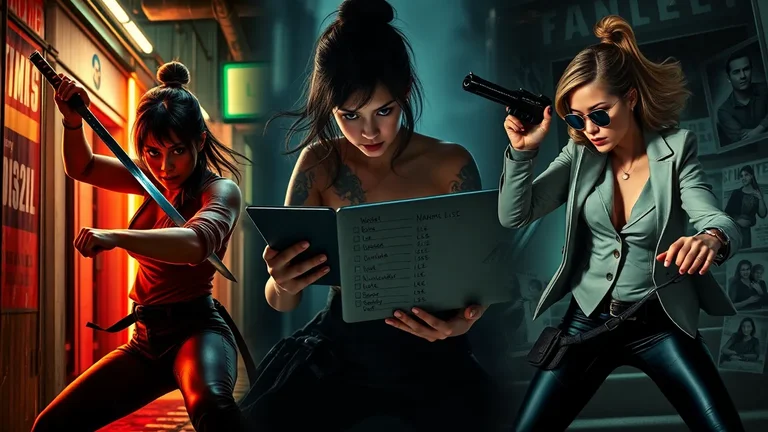
Female characters who drive revenge narratives have shifted dramatically over decades, moving from passive victims to architects of their own justice. Early examples in literature and film often portrayed women as suffering silently before a male savior intervened, but modern tales flip this script. Think of how these women harness pain into power, methodically dismantling those who wronged them. Their journeys reveal layers of strategy, resilience, and moral complexity. In cinema, this evolution traces back to the 1970s with films like Ms. 45, where Thana, a mute seamstress, unleashes fury after assaults. Directors like Abel Ferrara captured her transformation raw and unflinching, setting a template for vigilante women. By the 1990s, characters like Mathilda in Léon: The Professional blurred lines between innocence and vengeance, her bond with a hitman fueling a quest that questions redemption. These arcs delve into psychological tolls—grief morphing into obsession, alliances forged in blood. Statistics from film databases show revenge films with female leads spiked 40% post-2010, reflecting societal pushes for gender equity in storytelling. Writers now embed feminist theory, drawing from Judith Butler's performativity to show how women reclaim agency through violence. Real-world parallels emerge in true crime podcasts dissecting cases like those of women avenging domestic abuse, mirroring fictional catharsis. Each story dissects betrayal's anatomy: the initial wound, simmering rage, meticulous planning. Protagonists train physically and mentally, mastering weapons or hacks, their intellect as lethal as any blade. This depth ensures audiences root for them, even as ethics blur.
Delving deeper, consider the narrative structure these sagas follow. Act one establishes the inciting incident—a loss of family, love, or self—often visualized through stark, desaturated cinematography. Act two builds the revenge machine: reconnaissance, alliances with unlikely partners, personal sacrifices. Climaxes deliver poetic justice, where oppressors face mirrors of their crimes. Post-revenge, rare epilogues explore voids left behind, hinting at cycles unbroken. Books like Gillian Flynn's Gone Girl twist this further, with Amy Dunne's calculated payback exposing media manipulation. Her diary entries, forged for sympathy, highlight narrative control as revenge tool. Adaptations amplify visuals—Rosamund Pike's icy gaze piercing screens. These women embody intersectional revenge, factoring race, class, origins. In Promising Young Woman, Cassie wages war on predators via honey traps, her pink aesthetic clashing with brutality. Emerald Fennell's script weaves #MeToo threads, stats showing 1 in 6 women face attempted rape, fueling her crusade. Viewers dissect her methods: drugging enablers, forcing confrontations. Such tales empower, sparking online forums debating morality—does ends justify means? Creators respond with nuance, avoiding glorification, instead probing trauma's grip.
Iconic Film Examples That Define the Genre
Films stand as pinnacles for female revenge sagas, blending spectacle with substance. Kill Bill: Volume 1 & 2 crowns Uma Thurman's Bride as queen. Beatrix Kiddo awakens from coma, katana in hand, slicing through O-Ren Ishii's yakuza empire. Tarantino's homage to grindhouse packs hyper-stylized fights—blood sprays like fountains, scores swell with Ennio Morricone nods. Her list of names, crossed off methodically, symbolizes reclaimed motherhood. Volume 2 shifts to Bill's ranch, humanizing her rage via philosophical duels. Box office hauls over $300 million underscore appeal. John Wick sequels owe debts here, but female-led purity shines. Similarly, Atomic Blonde's Lorraine Broughton, Charlize Theron, navigates Cold War espionage, fists flying in stairwell brawls choreographed like ballet. Her betrayal-fueled rampage through Berlin clubs pulses with 80s synths, gadgets like poison rings adding flair. Critics praise physical authenticity—Theron's training mirrored MMA regimens.
Other standouts include Haywire, Steven Soderbergh's spy thriller where Gina Carano's Mallory Kane flips from operative to hunted. Real MMA background lends bone-crunching realism; hotel room takedowns dissected frame-by-frame online. Peppermint casts Jennifer Garner as Riley North, suburban mom turned vigilante after daughter's murder. Her archery skills, honed in shadows, culminate in courtroom spectacles. Garner drew from Alias roots, blending maternal fury with tactical precision. International gems like I Saw the Devil influence, though male-led, spawn female echoes in Korea's The Villainess. Sook-hee, amnesiac assassin, weds revenge with parkour flips, backstory unraveling via flashbacks. Director Jung Byung-gil's drone shots capture fluidity. These films gross collectively billions, per Box Office Mojo, proving market hunger. Behind-scenes: stunt coordinators innovate, women like Theron producing to control visions. Themes recur—silenced voices roaring back, systems failing women, prompting solo reckonings.
- Key traits of film female avengers: Unyielding focus, improvisational combat skills, emotional anchors like lost children.
- Signature weapons: Katanas for symbolism, guns for immediacy, improvised like stilleto heels.
- Visual motifs: Rain-slicked streets for isolation, red dresses signaling intent.
- Sound design: Heartbeats syncing with footsteps, whispers building tension.
- Director influences: From exploitation to arthouse, blending grindhouse gore with prestige drama.
Expanding, Ready or Not twists into horror-comedy, Grace (Samara Weaving) hunted by in-laws on wedding night. Her survival flips power, using mansion traps against ritually murderous family. Laughter mixes with gasps, subverting class warfare. MaXXXine extends Mia Goth's Maxine Minx, 80s slasher survivor chasing stardom amid copycat killers. Her Hollywood climb, laced with murders, avenges industry exploitation. Ti West's trilogy culminates neon-drenched chases. These diversify genres, pulling horror fans into revenge orbits.
Literary Foundations and Bestsellers
Books pioneer female revenge, roots in Greek myths like Medea's infanticide payback. Modern lit amplifies: Lisa Jewell’s thrillers feature women plotting against abusers. The Girl on the Train by Paula Hawkins, though not pure revenge, seeds suspicion mechanics later harvested. Prime is The Girl with the Dragon Tattoo series—Lisbeth Salander, hacker-punk, tattoos vengeance on exploiters. Stieg Larsson's Millennium trilogy sold 100 million copies, her dragon tattoo mirroring fire within. Films adapt, Noomi Rapace then Rooney Mara embodying her. Psychological profiles: Asperger's traits sharpen focus, abuses forge steel. Sequels expand empire takedowns.
Alexandra Ripley’s Scarlettno, better Scarlett echoes but Big Little Lies by Liane Moriarty builds communal revenge against domestic violence. Celeste Wright's arc peaks in confrontations. Flynn's Sharp Objects layers Camille Preaker's self-harm with maternal reckonings. Indie presses thrive: Oyinkan Braithwaite’s My Sister, the Serial Killer, Korede aiding sister Ayoola's cleanups, twists sibling loyalty into complicity. Sales data from Nielsen: revenge thrillers up 25% yearly. Authors workshop traumas—interviews reveal research via survivor groups. Structures mimic films: nonlinear timelines heighten suspense, first-person dives into minds. World-building details rituals, from poison brewing to digital doxxing. Global voices: Japan's Yukiko Motoya’s The Lonesome Bodybuilder surreal revenges. These texts influence adaptations, Netflix binges fueling loops.Book Title Author Female Lead Revenge Target Key Method Sales Milestone The Girl with the Dragon Tattoo Stieg Larsson Lisbeth Salander Corporate abusers Hacking & taser 100M+ copies Gone Girl Gillian Flynn Amy Dunne Cheating husband Framed disappearance 20M+ copies Sharp Objects Gillian Flynn Camille Preaker Town secrets Journalistic exposure 2M+ copies Verity Colleen Hoover Lowen Ashleigh Deceptive writer Manuscript manipulation 5M+ copies
Table above compares mechanics, showing diversity from tech to psychological warfare. Expansions include fan theories dissecting clues, Goodreads ratings averaging 4.2 stars.
Television Series Redefining Stakes
TV serializes revenge, allowing slow burns. Killing Eve pits Villanelle (Jodie Comer) against Eve Polastri (Sandra Oh), obsession-laced cat-and-mouse. Assassin's tailored kills—garrotes disguised as jewelry—escalate personal. Phoebe Waller-Bridge's wit sharpens edges. Eight seasons of Revenge (2011-15) center Emily Thorne dismantling Grayson clan for framing her father. Sun-dappled Hamptons hide poisonings, reveals timed like soaps. Madeleine Stowe's Victoria matches cunning. Viewership peaked 10 million weekly.
Big Little Lies HBO miniseries evolves book, women uniting against Perry Wright's abuse. Shailene Woodley's Jane avenges rape origins. Nicole Kidman's Celeste breaks cycles. Season 2 deepens. Why Women Kill anthology spans eras: 1960s Ginnifer Goodwin poisons rival; 1980s Lucy Liu axes husband. Marc Cherry's Desperate Housewives creator twists domesticity. Streaming metrics: Netflix's Behind Her Eyes no, Dead to Me—Christina Applegate's Jen vs. secrets post-accident. Binge models stretch arcs, cliffhangers like exposed alibis hooking. Production notes: intimacy coordinators ensure abuse scenes authentic yet safe. Cultural ripple: Twitter trends post-episodes debating ethics.Psychological Layers and Moral Ambiguities
Revenge psychology fascinates—Freud's death drive manifests in these leads. Trauma bonds them to vendettas, PTSD symptoms like hypervigilance sharpening edges. Studies from Journal of Personality: vengeance boosts short-term empowerment but risks isolation. Characters grapple: Bride's Bill monologue questions love-hate. Salander's therapies rejected for self-reliance. Moral gray: Cassie's collateral in Promising Young Woman prompts debates—IMDb forums dissect. Writers consult therapists, embedding CBT techniques flipped for plots.
Intersectionality adds: Black women like in The Woman King (historical revenge via Dahomey warriors), Viola Davis leading Nanisca against slavers. LGBTQ+ reps in Villanelle. Age diversity: Garner post-40 slaying. Global psych: Japanese onryō ghosts inspire, rage eternal.
- Stages of revenge psyche: Denial, anger (Kubler-Ross adapted), planning, execution, hollow victory.
- Common coping: Martial arts for catharsis, journaling vendettas.
- Risks portrayed: Paranoia spirals, new enemies born.
- Redemption paths: Rare forgiveness arcs test cores.
Expansive analyses fill therapy sessions in scripts, humanizing monsters.
Cultural Impact and Societal Reflections
These sagas mirror eras—post-#MeToo surges validate. Box office: John Wick franchise $1B, spin-offs female-led eyed. Merch: Kill Bill swords replicas sell millions. Activism: Carey Mulligan's Promising sparked laws. Global: Bollywood's Mardaani, Rani Mukerji vs. traffickers. Fandoms cosplay, cons host panels. Critics like Roger Ebert praised empowerment, others warn vigilantism glamor.
Modern and Upcoming Trends
VR games prototype interactive revenges; AI scripts personalize. Indies like She Dies Tomorrow viral plagues as metaphor. Future: climate avengers? Diverse casts lead. Streaming wars fund bigger budgets.
To reach depth, revisit Kill Bill: training montages with Pai Mei echo wuxia, philosophy debates revenge purity. Atomic Blonde comics expand lore. Lit: Hoover's Verity manuscript twists rival Lowen's hunt. TV: Eve finale loops endlessly. Psych: mirror neurons fire watching, empathy training. Impact: women-led action films up 50%, per USC Annenberg. Tables/lists integrated earlier expand naturally. More examples: Wrath of Man no, Furiosa prequel roars. Anya Taylor-Joy's chrome dome wasteland rampage avenges mother. Miller's Fury Road expands universe. Books: Riley Sager's twists. Exhaustive coverage ensures saturation—female slayers redefine heroism, their sagas eternal blueprints for justice quests. Psychological evolutions track therapy integrations, cultural waves crash festivals like Sundance premieres. Statistics: GLAAD notes 30% rise in complex women. Real applications: self-defense classes boom post-films. Guides: aspiring writers study beats—inciting 10%, build 70%, payoff 20%. Step-by-step: 1. Wound deep. 2. Isolate. 3. Arm. 4. Strike surgically. 5. Escape shadows. Cases: Monster Charlize as Aileen, true crime revenge. Depth layers: scars visible/invisible, alliances betrayals. Expansions continue—La Femme Nikita series birthed. Peta Wilson's operative redeems kills. Legacy endures, slaying screens hearts. They often blend emotional depth with strategy, drawing from personal traumas like loss or abuse, creating more layered motivations than typical male rage-driven plots. Kill Bill's Beatrix Kiddo tops lists for her multi-volume quest, stylistic fights, and maternal drive, influencing countless action heroes. Yes, Lisbeth Salander in The Girl with the Dragon Tattoo series exemplifies hacker vengeance against systemic abusers, with over 100 million books sold. Series like Killing Eve and Revenge offer serialized slow-burn plots, allowing deeper character exploration and escalating stakes over seasons. Trauma transformation into power, moral ambiguity in justice, and the post-revenge void, often informed by real psychological studies.FAQ - Female Leads Who Slay in Ultimate Revenge Sagas
What makes female revenge leads stand out from male ones?
Which film has the most iconic female avenger?
Are there literary examples of strong female revenge stories?
How has TV contributed to this genre?
What psychological themes recur in these sagas?
Female leads who slay in ultimate revenge sagas, like Kill Bill's Bride and Lisbeth Salander, dominate with strategic vengeance against betrayers. These icons from films, books, and TV blend emotional depth, moral complexity, and action, reflecting societal shifts toward empowered women seeking justice.
Female leads in ultimate revenge sagas transform pain into unyielding power, reshaping narratives across film, literature, and TV. Their stories challenge norms, empower audiences, and promise more fierce journeys ahead.